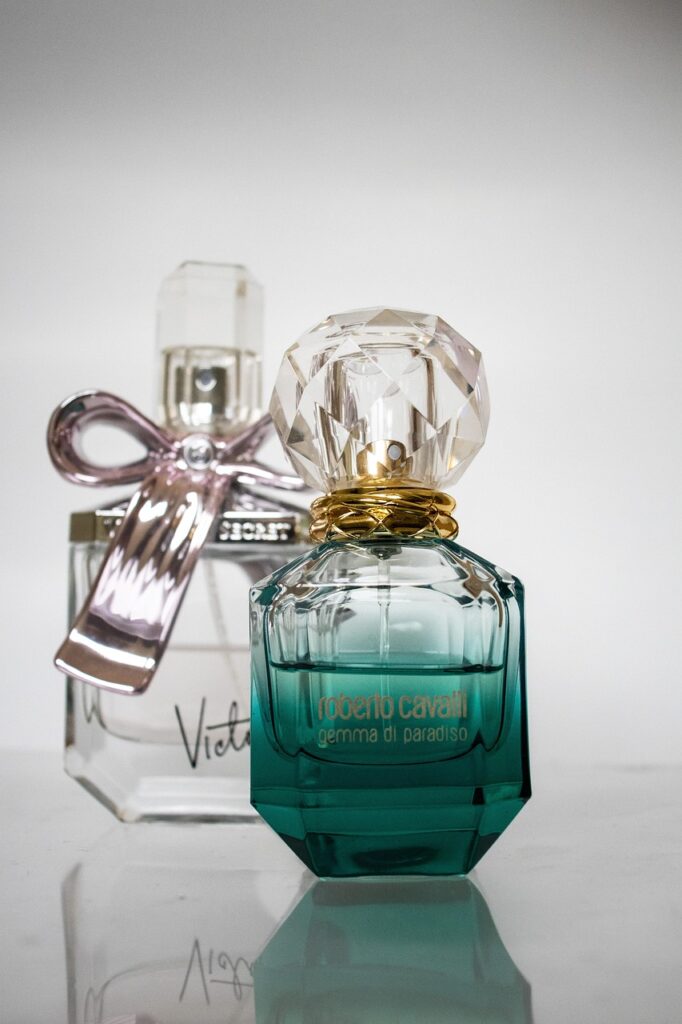

Fragrances have fascinated humanity for centuries, weaving together art, emotion, and chemistry in a single breath of scent. From ancient rituals to modern fashion, elegance perfumes and fragrances hold a unique power — they can evoke memories, boost confidence, and express one’s identity without a word.

A Journey Through History
Fragrances have been used for thousands of years. The word “perfume” originates from the Latin phrase per fumum, meaning “through smoke,” referring to the earliest use of scented incense in religious ceremonies. Ancient Egyptians were among the first to perfect the art of perfumery. They used fragrant oils and resins in spiritual rituals, embalming, and personal adornment. Queen Cleopatra is said to have soaked her sails in perfume so that the scent would announce her arrival long before her ship could be seen.
Perfumes were used as status markers for luxury and sophistication in ancient Greece and Rome. They were used not only for personal enjoyment but also in baths, homes, and even temples. As trade routes expanded, exotic ingredients such as frankincense, myrrh, sandalwood, and rose made their way from Asia and the Middle East into Europe. By the Renaissance, perfume had become a defining feature of high society.
The Science Behind the Scent
While perfume may seem magical, its creation is a sophisticated blend of art and chemistry. A fragrance is typically composed of three layers of notes: top, heart (middle), and base. The top notes are the initial scents you smell when you apply a perfume — often light, fresh, and fleeting, such as citrus or herbs. These fade to reveal the heart notes, which form the core of the fragrance, usually floral, fruity, or spicy. Finally, the base notes — like vanilla, amber, musk, or wood — provide depth and longevity, anchoring the fragrance and allowing it to linger on the skin for hours.
Creating a perfume requires not only a keen sense of smell but also an understanding of chemistry. Perfumers, often called “noses,” spend years training to recognize and blend hundreds of natural and synthetic aroma compounds. They must balance volatility (how fast a scent evaporates), intensity, and harmony to create a fragrance that evolves beautifully over time.
The Power of Scent and Emotion
Fragrance has an extraordinary ability to influence mood and evoke memory. This is due to the way our brain processes scent. The olfactory bulb, which interprets smells, is directly connected to the limbic system — the part of the brain responsible for emotion and memory. This connection explains why a single whiff of perfume can instantly transport someone back to a specific moment, place, or person.best perfumes in the words.
For instance, the smell of fresh rain might remind someone of childhood, while the aroma of jasmine could recall a romantic evening. Perfume is deeply personal — it becomes part of one’s identity, leaving a subtle impression on everyone encountered. It can boost confidence before an important meeting, calm nerves through soothing lavender, or create a sense of mystery with rich oriental notes.
Natural vs. Synthetic Fragrances
Modern perfumery combines both natural and synthetic ingredients. Natural essences come from flowers, fruits, spices, woods, and resins through processes like distillation or extraction. However, natural ingredients can be limited by cost, rarity, or environmental impact. Synthetic molecules, developed through chemistry, allow perfumers to recreate rare scents or invent entirely new olfactory experiences. Many iconic fragrances, such as Chanel No. 5, rely heavily on synthetic aldehydes to achieve their distinctive, timeless aroma.
There is also growing awareness of sustainability in the fragrance industry. Brands are turning to ethical sourcing, biodegradable ingredients, and cruelty-free testing. Some are exploring green chemistry — creating scents with minimal environmental footprint — ensuring that beauty and responsibility go hand in hand.
Fragrance Families and Personal Choice
Perfumes are often categorized into fragrance families, helping people understand their scent preferences. The main families include:
- Floral: Dominated by flowers such as rose, jasmine, or lily. Romantic and feminine.
- Citrus: Fresh, tangy notes of lemon, bergamot, or orange. Energetic and uplifting.
- Woody: Warm, earthy tones like sandalwood, cedar, and vetiver. Sophisticated and grounded.
- Oriental (Amber): Rich and exotic blends of spice, vanilla, and musk. Sensual and mysterious.
- Fresh (Green or Aquatic): Crisp and clean notes that evoke nature, rain, or ocean breezes.
Choosing a fragrance is an intimate process. It depends on mood, personality, and even season. Lighter citrus or floral scents often suit daytime or warmer weather, L oreal fragrances brands, while deeper woody or oriental perfumes shine in the evening or colder months. A signature scent becomes part of one’s identity — a silent statement that lingers even after one leaves the room.
The Future of Fragrance
The fragrance industry continues to evolve with innovation and personalization. Advances in biotechnology allow perfumers to replicate rare flowers without harming the environment. Artificial intelligence is being used to analyze scent preferences and create customized perfumes. Gender boundaries in perfumery are also fading, with more brands embracing unisex scents that celebrate individuality over traditional gender norms.
Moreover, wellness and aromatherapy are becoming central to fragrance use. Scents are being designed not just to please but to heal — to reduce stress, enhance focus, or promote better sleep. The line between perfume and therapy is gradually blurring, showing that fragrance is more than just a luxury; it’s a vital part of emotional well-being.

Conclusion
Fragrances are more than pleasant aromas — they are invisible expressions of our emotions, memories, and identity. From ancient incense to modern masterpieces, the art of scent has accompanied humanity through every era, shaping cultures and captivating hearts. Whether it’s the comforting smell of vanilla, the freshness of citrus, or the mystery of musk, each fragrance tells a story — one that begins the moment you take a breath.