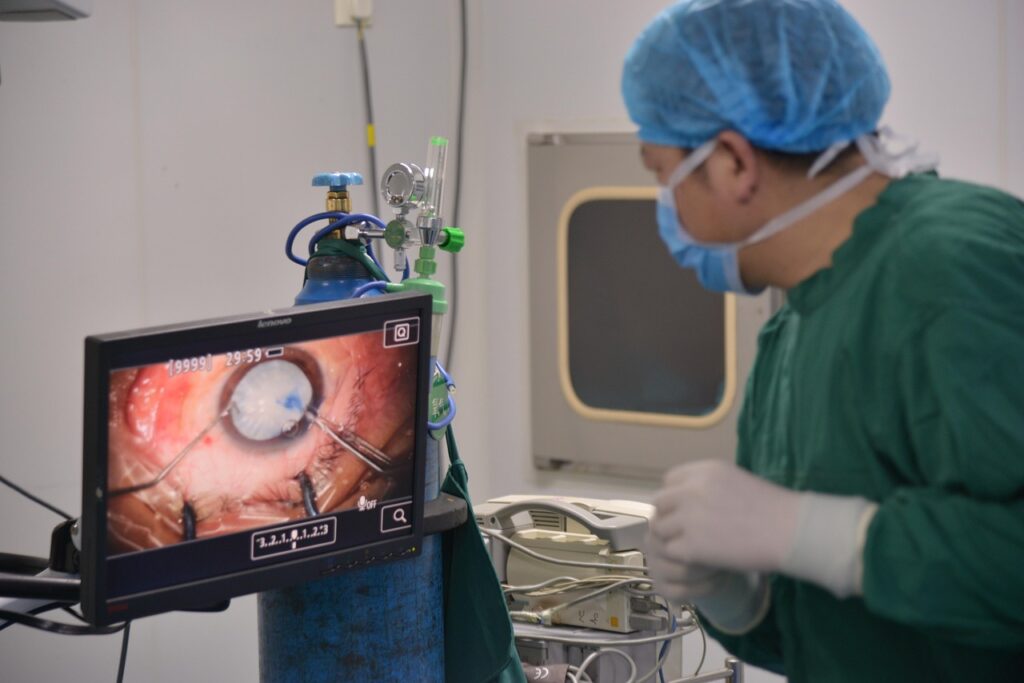

Gastroesophageal acid reflux and GERD is one of the most common digestive disorders, affecting millions of people worldwide. It occurs when stomach acid frequently flows back into the esophagus, causing symptoms like heartburn, chest pain, and regurgitation. While most cases of GERD can be managed through lifestyle changes and medications, some patients require a more permanent solution. One of the most effective surgical treatments for severe or chronic reflux is fundoplication. This procedure aims to strengthen the barrier between the stomach and the esophagus, preventing acid reflux and restoring comfort and quality of life.
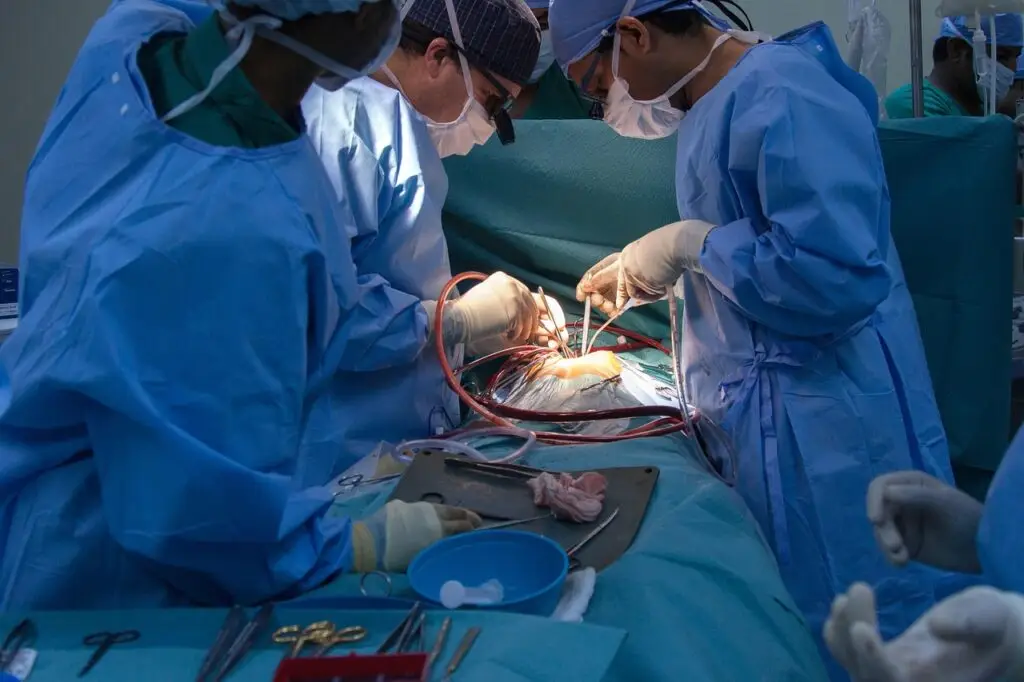
What Is Fundoplication?
Fundoplication is a surgical procedure designed to treat GERD, hiatal hernias, and other related conditions. During the surgery, the upper part of the stomach—called the fundus—is wrapped around the lower end of the esophagus. This “wrap” reinforces the lower esophageal sphincter (LES), the valve that normally prevents stomach contents from flowing backward. By tightening the LES, fundoplication helps keep acid and food inside the stomach where they belong.
The procedure can be performed using either open surgery or minimally invasive (laparoscopic) techniques. The laparoscopic approach is more common today because it involves smaller incisions, less pain, shorter hospital stays, and faster recovery times.
Why Fundoplication Is Done
Fundoplication is generally recommended for patients who:
- Have chronic GERD symptoms that don’t respond well to medications such as proton pump inhibitors (PPIs).
- Experience complications from acid reflux, like esophagitis (inflammation of the esophagus), ulcers, or Barrett’s esophagus.
- Suffer from large hiatal hernias, where part of the stomach pushes through the diaphragm into the chest cavity.
- Wish to avoid long-term dependence on medications that control stomach acid.
- Have aspiration problems (when stomach contents flow into the lungs) due to severe reflux.
By addressing the underlying mechanical issue, fundoplication provides a long-term or even permanent solution to GERD symptoms in many patients.what is hiatal hernia,symptoms and cause?
Types of Fundoplication
There are several types of fundoplication, and the choice depends on the patient’s condition and the surgeon’s recommendation:
- Nissen Fundoplication (360-degree wrap):
The fundus of the stomach is wrapped completely around the lower esophagus, creating a tight valve. It provides excellent control of reflux but may cause some patients to have difficulty burping or vomiting afterward. - Toupet Fundoplication (270-degree partial wrap):
In this procedure, the stomach is wrapped around the esophagus only partially. It’s often chosen for patients with weak esophageal muscles, as it reduces reflux while minimizing swallowing problems. - Dor Fundoplication (anterior 180-degree wrap):
This is a less extensive version of the surgery and is sometimes done along with other procedures, like Heller myotomy for achalasia.
Each type aims to achieve the same basic goal—reducing reflux—while balancing comfort, effectiveness, and safety.
The Surgical Procedure
Before the operation, patients undergo diagnostic tests such as endoscopy, pH monitoring, and esophageal manometry to confirm GERD and assess esophageal function.
During a laparoscopic fundoplication, the surgeon makes several small incisions in the abdomen. Through these, a camera and surgical instruments are inserted. The upper part of the stomach is carefully wrapped around the esophagus and stitched in place. If a hiatal hernia is present, it is repaired at the same time.
The surgery usually takes 1 to 2 hours, and most patients can leave the hospital within a day or two. Open fundoplication, on the other hand, involves a larger incision and a longer recovery period but is still performed in certain complex cases.
Recovery and Postoperative Care
After fundoplication, patients may experience mild discomfort, bloating, or difficulty swallowing in the first few days, but these symptoms generally improve with time. A special diet is recommended immediately after surgery—starting with liquids, then soft foods, before returning to a normal diet after several weeks.
Most people can resume light activities within a few days and return to full work in about 2 to 3 weeks, depending on the surgical approach and benefits of nissen fundoplication. Following the doctor’s postoperative instructions carefully is key to avoiding complications.
Benefits of Fundoplication
The success rate of fundoplication is quite high, with over 85–90% of patients reporting significant relief from GERD symptoms. Major benefits include:
- Long-term control of acid reflux
- Reduced need for medications
- Healing of esophageal damage caused by acid
- Improved quality of life and sleep
- Prevention of complications such as aspiration or chronic coughing
Many patients also notice an improvement in related symptoms like sore throat, hoarseness, and chronic bronchitis linked to reflux.
Risks and Complications
Like all surgeries, fundoplication carries some risks. Potential complications may include:
- Difficulty swallowing (dysphagia)
- Inability to belch or vomit, leading to gas bloat
- Slippage or loosening of the wrap
- Infection or bleeding
- Recurrence of reflux in rare cases
Fortunately, with modern laparoscopic techniques and experienced surgeons, serious complications are uncommon. Patients who maintain a healthy diet and weight after surgery have better long-term outcomes.
Life After Fundoplication
After recovery, most patients enjoy a significant reduction in GERD symptoms and no longer need daily medication. Lifestyle changes—such as avoiding overeating, eating slowly, and limiting alcohol and caffeine—help maintain the benefits of surgery. Regular follow-up visits with a gastroenterologist ensure that the esophagus remains healthy and free of reflux damage.
Conclusion
Fundoplication is a proven and effective surgical treatment for chronic acid reflux and GERD,sings and symptoms of gerd acid reflux, offering lasting relief when medications fail. By strengthening the natural barrier between the stomach and esophagus, this procedure helps restore normal digestion and comfort. Though it requires careful evaluation and skilled surgical execution, fundoplication has transformed the lives of countless patients suffering from persistent reflux. With modern minimally invasive techniques, the operation is safer and more successful than ever—making it a valuable option for those seeking a long-term solution to GERD.