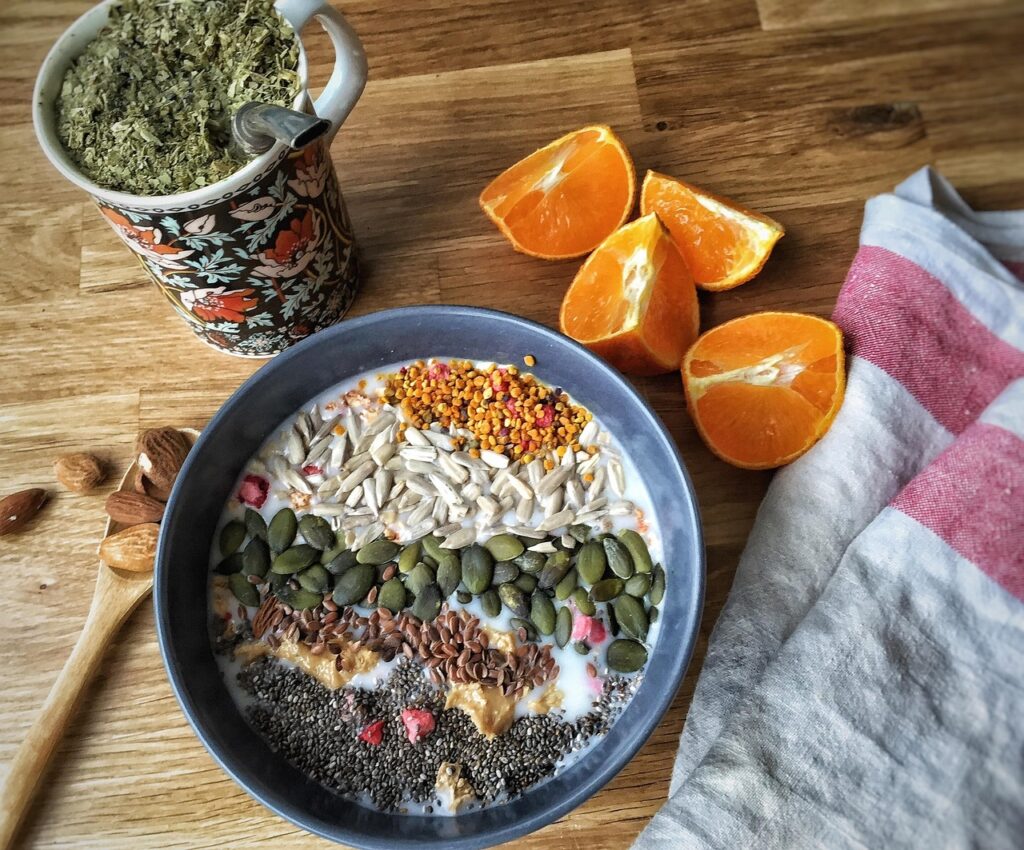

In today’s world, many women experience hormonal imbalances that lead to a variety of issues such as irregular periods, mood swings, acne, weight gain, fatigue, and even fertility struggles. While there are many ways to manage hormonal health, one natural and increasingly popular approach is seed cycling for women. This simple yet powerful method uses the nutritional properties of seeds to support the body’s natural hormonal rhythm throughout the menstrual cycle.

What Is Seed Cycling?
Seed cycling is a holistic nutritional practice that involves consuming specific types of seeds during different phases of a woman’s menstrual cycle to help balance key hormones like estrogen and progesterone. The idea is that certain seeds contain nutrients that can promote or regulate the production and metabolism of these hormones, supporting overall reproductive and endocrine health.
A typical menstrual cycle lasts around 28 days and can be divided into two main phases:
- The Follicular Phase (Day 1–14): This phase begins on the first day of menstruation and lasts until ovulation. During this time, estrogen levels rise to prepare the body for ovulation.
- The Luteal Phase (Day 15–28): After ovulation, the hormone progesterone becomes dominant, preparing the uterine lining for a possible pregnancy.
Seed cycling pairs specific seeds with these phases to naturally support hormonal fluctuations.
How Seed Cycling Works
Here’s how seed cycling is typically practiced:
1. Follicular Phase: Flax and Pumpkin Seeds
- Days 1–14 (Menstrual to Ovulation Phase)
- Seeds: 1 tablespoon each of ground flax seeds and pumpkin seeds daily.
Flax seeds are rich in lignans, a type of phytoestrogen that helps balance estrogen levels by either increasing or decreasing estrogen activity in the body as needed. They also aid in liver detoxification, which is crucial for metabolizing excess hormones. benifits of Pumpkin seeds, on the other hand, are high in zinc, which supports the production of progesterone later in the cycle and promotes overall reproductive health.
2. Luteal Phase: Sesame and Sunflower Seeds
- Days 15–28 (Post-Ovulation to Pre-Menstrual Phase)
- Seeds: 1 tablespoon each of ground sesame seeds and sunflower seeds daily.
Sesame seeds contain lignans similar to flax that help regulate estrogen levels in the second half of the cycle, while sunflower seeds are rich in vitamin E and selenium, both essential for progesterone production and detoxification of estrogen. Together, these seeds help maintain hormonal balance and may ease symptoms of PMS such as bloating, irritability, and mood changes.
Health Benefits of Seed Cycling
Seed cycling can offer numerous benefits, especially for women struggling with hormonal irregularities. Although scientific studies are limited, many women report noticeable improvements after a few months of consistent practice.
1. Supports Hormonal Balance
The main goal of seed cycling is to bring estrogen and progesterone into balance. Proper hormonal balance can reduce symptoms of PMS, improve menstrual regularity, and promote better mood stability.
2. Eases Menstrual Discomfort
Many women experience painful periods, bloating, or breast tenderness due to hormonal fluctuations. The nutrients in seeds, such as omega-3 fatty acids, magnesium, and zinc, help reduce inflammation and alleviate menstrual cramps.
3. Promotes Healthy Skin and Hair
Since hormonal imbalances often cause acne, oily skin, or hair loss, balancing hormones naturally through seed cycling can lead to clearer skin and stronger, healthier hair over time.
4. Supports Fertility and Reproductive Health
By nourishing the body with key nutrients and promoting regular ovulation, seed cycling can support fertility. It helps create a healthy environment for conception by ensuring that both estrogen and progesterone levels are optimal.
5. Aids Menopause and Perimenopause Symptoms
Seed cycling isn’t only for women of reproductive age. It can also help ease the transition into menopause by reducing hot flashes, night sweats, and mood swings through steady hormonal support. best seed cycling for pcos and balance hormones.
How to Incorporate Seed Cycling Into Your Routine
Seed cycling is simple to begin and requires minimal effort. The key is consistency. You can add ground seeds to smoothies, oatmeal, yogurt, salads, or soups. Grinding the seeds makes their nutrients easier to absorb. Store them in the refrigerator to maintain freshness.
Here’s a quick guide:
| Phase | Days | Seeds | Hormone Support |
|---|---|---|---|
| Follicular | 1–14 | Flax + Pumpkin | Boosts Estrogen |
| Luteal | 15–28 | Sesame + Sunflower | Boosts Progesterone |
If your cycle is shorter or longer than 28 days, simply adjust the timing based on your ovulation. For women who no longer have regular periods, such as those in menopause, you can follow the moon cycle—start the follicular phase on the new moon and the luteal phase on the full moon.
Tips for Success
- Use raw, organic, and fresh seeds. Avoid roasted or salted varieties for maximum benefit.
- Grind seeds fresh using a coffee grinder to enhance nutrient absorption.
- Be patient. Hormonal balance takes time; most women see noticeable results after 2–3 cycles.
- Combine with a balanced diet. Eating whole foods, reducing sugar, and staying hydrated enhances results.
- Consult your healthcare provider if you have specific hormonal or thyroid conditions before starting.

Final Thoughts
Seed cycling chart offers a gentle, natural approach to support hormonal balance and overall well-being. While it’s not a miracle cure, it can be a valuable part of a holistic lifestyle that includes healthy eating, stress management, and regular exercise. Whether you’re dealing with PMS, irregular cycles, or menopausal symptoms, this simple daily ritual can help you reconnect with your body’s natural rhythm.
Through patience and consistency, many women find that seed cycling not only improves their physical health but also fosters a deeper sense of harmony with their own cycles — a small but powerful step toward holistic wellness.