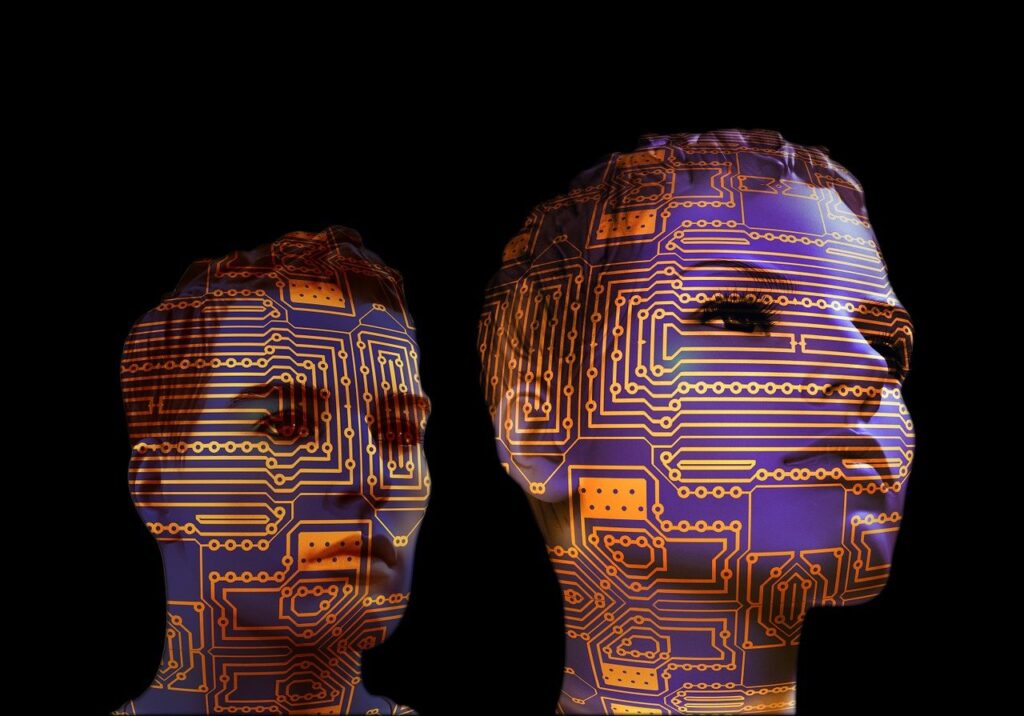

Technology has become the backbone of modern life. From communication and education to healthcare and business, every industry is deeply connected with digital innovation. Over the past decade, we have witnessed rapid advancements that have completely changed how humans interact with the world. Artificial intelligence, cloud computing, robotics, and blockchain are no longer future concepts—they are part of our present reality.
Artificial Intelligence: The Driving Force of Change
Artificial Intelligence (AI) is one of the most influential technologies today. It allows machines to learn, analyze data, and make decisions with minimal human input. AI is used in voice assistants, recommendation systems, autonomous vehicles, and even medical diagnostics.
Companies are increasingly using AI to improve efficiency and reduce costs. For example, AI-powered chatbots handle customer service, while machine learning algorithms help businesses understand consumer behavior. In the future, AI is expected to become even more advanced, potentially transforming entire industries.
Cloud Computing: The Digital Storage Revolution
Cloud computing has revolutionized how data is stored and accessed. Instead of relying on physical storage devices, users can now store data on remote servers and access it from anywhere in the world.
Businesses benefit greatly from cloud technology because it reduces infrastructure costs and improves scalability. Services like data backup, software hosting, and collaboration tools are all powered by cloud systems. As more companies move toward digital transformation, cloud computing will continue to expand rapidly.
Cybersecurity: Protecting the Digital World
As technology grows, so do cyber threats. Cybersecurity has become one of the most critical areas in the tech industry. Hackers are constantly developing new methods to steal data, disrupt systems, and exploit vulnerabilities.
To combat these threats, organizations use advanced security tools such as encryption, firewalls, and multi-factor authentication. Governments and companies are also investing heavily in cybersecurity training and awareness to protect sensitive information.
The Rise of Smart Devices and IoT
The Internet of Things (IoT) is connecting everyday devices to the internet, making homes and cities smarter. From smartwatches and home assistants to connected cars, IoT is improving convenience and efficiency.
Smart homes allow users to control lights, temperature, and security systems through mobile apps. In industries, IoT is used for monitoring machines, tracking logistics, and improving productivity.
Robotics and Automation
Robotics is transforming manufacturing, healthcare, and even agriculture. Robots can perform repetitive tasks with high precision, reducing human error and increasing productivity.
Automation is also changing the job market. While some traditional jobs are being replaced, new opportunities are emerging in robotics engineering, AI development, and system maintenance.
The Future of Technology
The future of technology looks extremely promising. Innovations like quantum computing, 6G networks, and advanced AI systems are expected to reshape the world further. However, with these advancements come challenges such as job displacement, privacy concerns, and ethical issues.
It is important for society to balance innovation with responsibility. Governments, companies, and individuals must work together to ensure that technology benefits everyone.
Conclusion
Technology is evolving at an unprecedented speed. It is transforming every aspect of human life and creating endless opportunities for growth and development. While challenges exist, the potential benefits far outweigh the risks. The key to the future lies in using technology wisely and ethically to build a better world for all.