

The art of painting expression is one of humanity’s oldest and most profound forms of self-expression. From the earliest cave drawings to the grand masterpieces of the Renaissance and the modern abstract works of today, painting has always reflected human emotions, experiences, and creativity. It is not merely about applying color to a surface — it is a visual language that communicates thoughts and feelings words often fail to capture. Whether done as a profession or a hobby, painting remains a timeless art that continues to inspire, heal, and connect people across generations and cultures.
A Journey Through History
The story of painting begins tens of thousands of years ago with prehistoric humans who used natural pigments to depict scenes of hunting and daily life on cave walls. These early artworks, such as those found in the Lascaux Caves in France, reveal that the urge to create and record experiences is deeply rooted in human nature.
As civilizations evolved, so did painting techniques and purposes. In ancient Egypt, paintings decorated tombs and temples, serving religious and symbolic functions. The Greeks and Romans introduced frescoes and mosaics, focusing on realism and beauty. During the Middle Ages, painting became closely linked to religion, with artists creating illuminated manuscripts and church murals to communicate spiritual stories.
The Renaissance period marked a revolutionary transformation in painting. Artists like Leonardo da Vinci, Michelangelo, and Raphael mastered perspective, anatomy, and light, giving birth to lifelike images that celebrated human potential and intellect. This era shifted painting from purely religious subjects to include portraits, landscapes, and mythological scenes.
In later centuries, movements like Impressionism, Cubism, and Surrealism redefined artistic boundaries. Painters such as Claude Monet, Pablo Picasso, and Salvador Dalí broke away from realism, exploring new styles that emphasized emotion, abstraction,world famous painting , and imagination. Today, painting continues to evolve with digital tools and mixed media, proving that the desire to create never fades.
Techniques and Styles
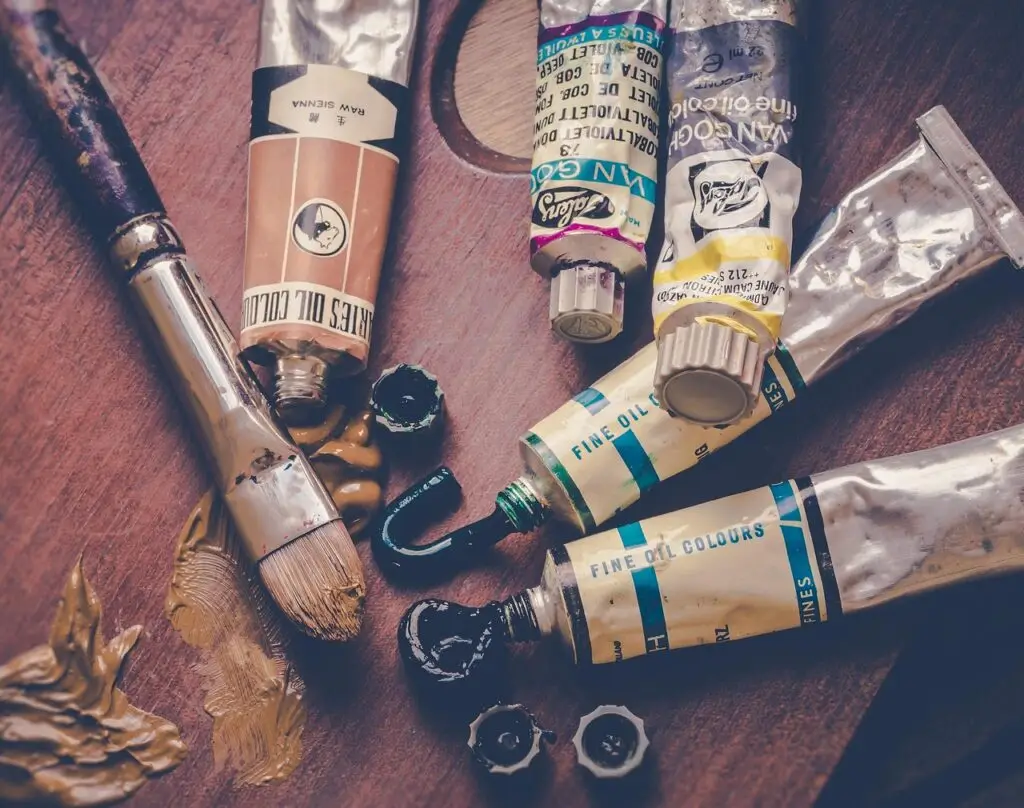
Painting offers a wide variety of techniques and mediums, each with its own unique charm and challenges. Oil painting, known for its rich texture and depth, has been favored by many great masters for centuries. It allows artists to blend colors smoothly and create detailed, realistic images. Watercolor, on the other hand, is delicate and transparent, often used for landscapes and nature scenes because of its ability to capture lightness and spontaneity. Acrylic painting combines the advantages of both oil and watercolor — it dries quickly, is easy to use, and produces vibrant colors.
Beyond traditional materials, artists experiment with ink, pastels, and best digital painting tools. Abstract, impressionistic, realistic, and surrealistic styles give painters countless ways to convey their inner world. Every stroke, color choice, and texture tells a story — one that is open to interpretation by the viewer.
Painting as Emotional Expression
Painting is often described as a window to the soul. Through colors and shapes, artists express emotions that words cannot fully describe. The act of painting allows one to release tension, reflect on feelings, and achieve emotional balance. For many, it is a form of meditation — a quiet moment of focus and self-discovery.
Studies show that engaging in creative activities like painting reduces stress, boosts mood, and enhances mental clarity. It helps people process emotions, especially during times of sadness, anxiety, or uncertainty. Art therapy, a recognized psychological practice, uses painting and other creative methods to help individuals heal from trauma and find inner peace.
Even viewers experience emotional responses when looking at paintings. A simple color or pattern can evoke nostalgia, happiness, or serenity. This connection between artist and audience makes painting a truly universal form of communication.
The Educational and Cognitive Benefits
Painting also plays a vital role in learning and personal development. It sharpens observation, improves hand-eye coordination, and enhances concentration. For children, painting develops imagination and helps them express themselves freely. For adults, it keeps the brain active, improves memory, and encourages problem-solving skills.
Art education fosters cultural appreciation and empathy, teaching students to value different perspectives and traditions. Understanding how colors, lines, and shapes interact cultivates not only artistic ability but also a deeper awareness of beauty in everyday life.
Painting in the Modern World
In the modern era, painting continues to adapt to technology and new materials. Digital painting, created using tablets and software, allows artists to experiment without limits. It has become a central part of animation, game design, and graphic illustration. Yet, traditional hand-painted works remain cherished for their texture, authenticity, and personal touch.
Social media platforms have also given painters global visibility. Artists can share their work instantly with audiences around the world, fostering inspiration and collaboration. Whether displayed in galleries or online, painting remains a vibrant and accessible form of artistic expression.
A Personal Journey of Creativity
Painting is not limited to professional artists — anyone can paint. You do not need formal training to start; all you need is curiosity and a willingness to explore. Many people discover joy in painting as a hobby, finding it a peaceful escape from the fast-paced world. Each brushstroke is an opportunity to express individuality and imagination.
It reminds us that creativity lives within everyone, waiting to be uncovered. As the artist Pablo Picasso once said, “Every child is an artist. The issue is how to continue becoming artists as we get older. We can rediscover the beauty of creation and uncover our inner artist via painting.
Conclusion
Painting is far more than an artistic skill — it is a timeless form of expression that bridges the mind, heart, and spirit. It tells stories, captures emotions, and preserves moments in ways that words cannot. From ancient caves to modern studios, painting continues to evolve, inspire, and unite people through the language of color and imagination. In every brushstroke lies a reflection of humanity’s boundless creativity — a reminder that art, in all its forms, keeps the world beautifully alive and easy painting ideas for bigners.


