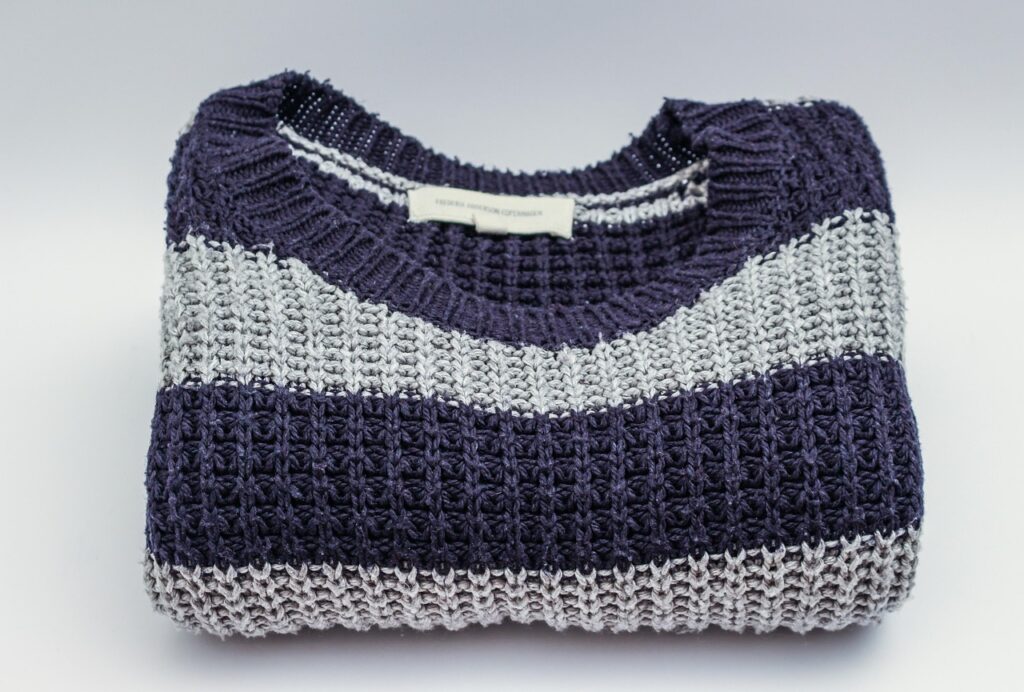

As the days grow shorter and the temperature drops, winter arrives with its familiar chill. While snowflakes and cozy evenings by the fire have their charm, facing the cold outdoors requires the right clothing. Winter fashion clothes for 2026 aren’t just about fashion — they are essential for comfort, health, and protection from harsh weather. Understanding what to wear, how to layer, and how to balance warmth with style can make all the difference during the cold months.
1. The Purpose of Winter Clothing
The main function of winter clothing is insulation — keeping body heat in and cold air out. When the temperature drops, the human body loses heat faster, especially from areas like the head, hands, and feet. Without proper protection, exposure to low temperatures can lead to hypothermia or frostbite. Winter clothes help create a thermal barrier, trapping warm air close to the body while preventing moisture from building up.
However, modern winter fashion also considers appearance, comfort, and sustainability. Many people now seek clothing that not only keeps them warm but also aligns with their lifestyle, personal taste, and environmental values.
2. The Importance of Layering
Layering is the key principle in winter dressing. Instead of wearing one thick item, multiple thinner layers provide better insulation and flexibility. There are three basic layers:
- Base Layer: This is the layer worn closest to the skin. Its function is to wick away moisture and perspiration. Materials like merino wool, silk, or synthetic fabrics (such as polyester) are ideal because they keep the skin dry. Cotton should be avoided as it retains moisture, which can make you feel colder.
- Middle Layer: This layer provides insulation. Fleece, down, or wool sweaters are perfect for trapping body heat. The thickness of the middle layer can vary depending on the weather conditions — a heavier fleece for extreme cold or a lighter sweater for mild winter days.
- Outer Layer (Shell): The final layer protects against wind, rain, and snow. Waterproof and windproof jackets or coats are essential for staying dry and comfortable. Modern shells often use breathable materials that prevent overheating while keeping moisture out.
By combining these layers, you can easily adjust your outfit to match temperature changes throughout the day.
3. Essential Winter Clothing Items
a. Winter Coats and Jackets
A good winter coat and winter jeckets 2025 is an investment. There are different types depending on your needs:
- Down jackets are filled with natural feathers that provide excellent insulation while remaining lightweight. They’re perfect for extremely cold, dry climates.
- Parka coats are popular for everyday wear. They often feature fur-lined hoods and multiple pockets, offering both function and fashion.
- Wool coats provide elegance and warmth, making them ideal for formal settings or city wear.
b. Sweaters and Hoodies
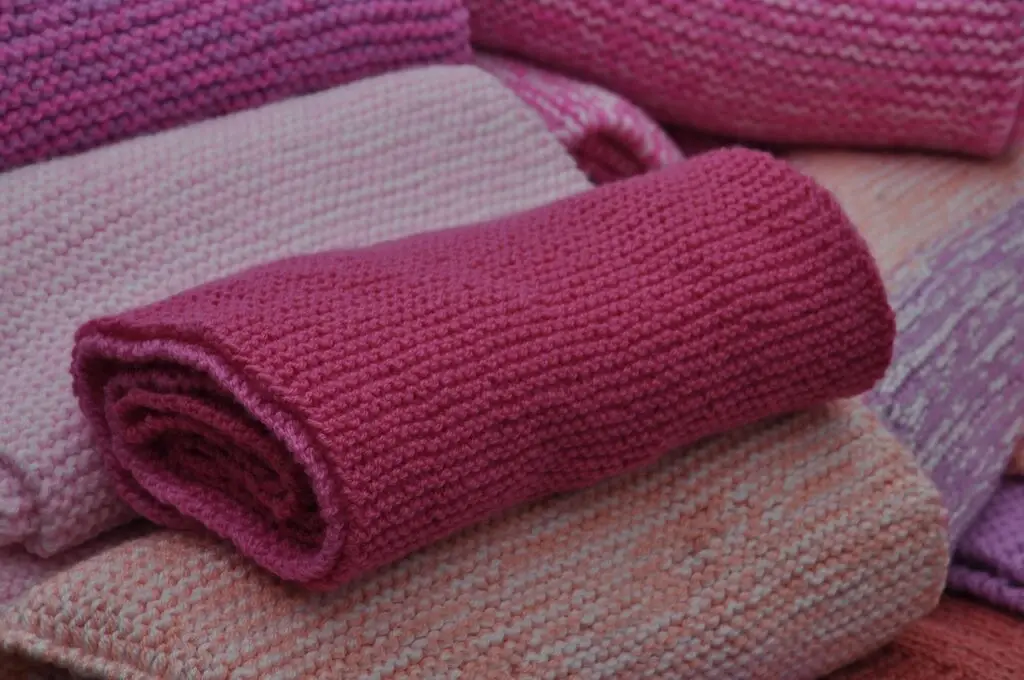
Sweaters made of wool, cashmere, or fleece are timeless winter staples. Wool is a natural insulator, while fleece offers a soft, lightweight alternative. Hoodies, though casual, are great for layering and comfort during relaxed winter days.
c. Thermal Underwear
Thermal tops and leggings serve as the base layer, especially in freezing temperatures. They’re designed to trap heat without adding bulk, allowing freedom of movement.
d. Winter Pants
Jeans may be fashionable, but they are not always warm enough. Lined pants or those made with wool blends provide better protection. For outdoor activities, insulated or waterproof pants are ideal.
e. Accessories: Hats, Gloves, and Scarves
Up to 10% of body heat can be lost through the head, so a warm hat is essential. Wool or fleece beanies, earmuffs, and headbands help retain warmth. Gloves or mittens protect fingers from frostbite; leather gloves with fleece lining offer both style and warmth. Scarves not only enhance outfits but also shield the neck and face from cold winds.
f. Footwear
Feet are especially vulnerable to the cold, so insulated, waterproof boots for winters are a must. Wool or thermal socks keep feet warm and dry. Avoid cotton socks as they trap moisture, leading to discomfort.
4. Fashion Meets Function
Winter fashion has evolved far beyond bulky, shapeless coats. Today, designers blend warmth and elegance, allowing people to express their style even in freezing weather. Layered looks, neutral tones, and textured fabrics dominate winter fashion. Classic colors like black, grey, navy, and beige remain popular, but bright scarves or gloves can add a cheerful contrast.
Sustainable fashion has also made its way into winter wardrobes. Eco-friendly materials like recycled polyester, organic cotton, and cruelty-free alternatives to down and wool are gaining popularity.
5. Caring for Winter Clothes and outfits;
Proper care ensures that winter clothes last for years. Here are a few essential tips:
- Washing: Always follow the care labels. Wool and down items often require gentle washing or dry cleaning.
- Storage: At the end of the season, wash and thoroughly dry all items before storing them. Keep them in breathable bags to prevent mildew.
- Repairs: Fix small tears or replace missing buttons to extend the life of your garments.
- Avoid Over-Washing: Some fabrics, like wool, don’t need frequent washing. Airing them out can refresh them between wears.
6. Regional Variations in Winter Clothing
Winter clothing varies across the globe, influenced by climate and culture. In northern Europe or Canada, heavy parkas, snow boots, and thermal layers are essential. Meanwhile, in milder regions, lighter coats, cardigans, and scarves suffice. Traditional winter attire — like the Norwegian wool sweater or Russian fur hat — also reflects regional craftsmanship and heritage.
7. The Psychological Comfort of Warm Clothes
Beyond physical warmth, winter clothing offers emotional comfort. Cozy sweaters and soft scarves evoke feelings of security and relaxation. The act of bundling up against the cold can even boost mood and confidence. Many people associate winter outfits with holidays, family gatherings, and festive memories, giving them a nostalgic charm.
8. Conclusion
Mens Winter clothing is more than just protection from the cold — it’s a blend of science, culture, and personal expression. From the art of layering to the choice of materials and colors, every piece plays a role in creating comfort and confidence during the coldest months.