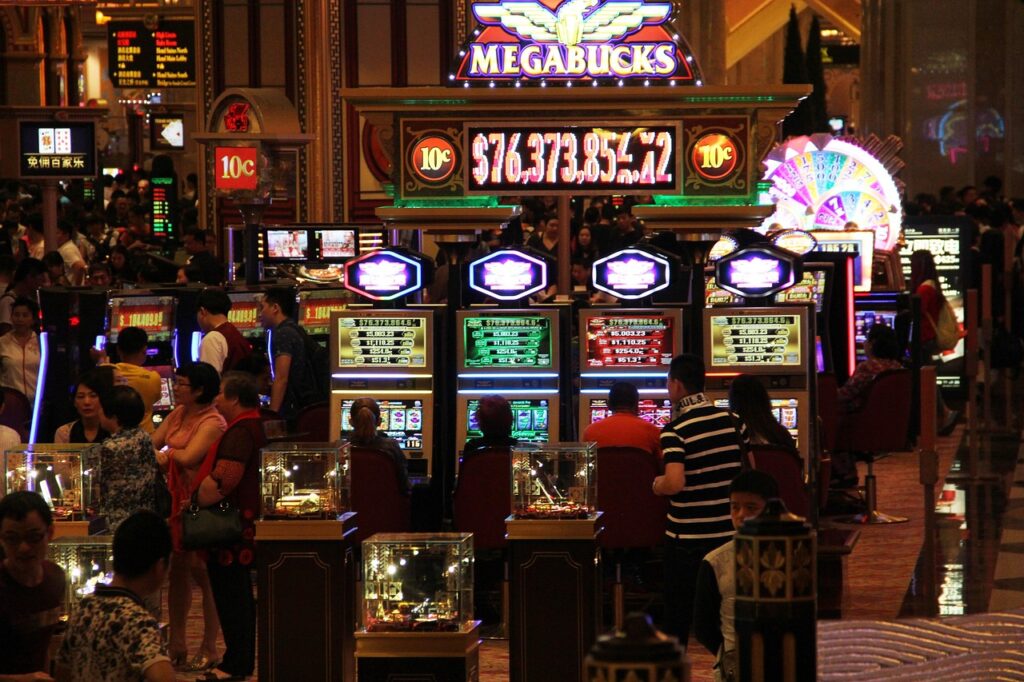

Casino gaming and foreign exchange (forex) trading exist in very different worlds on the surface. One is associated with flashing lights, spinning reels, and entertainment, while the other is linked to financial markets, economic data, and global currencies. Yet despite their differences, Casino gambling and forex markets share several underlying similarities, especially when it comes to risk, probability, psychology, and money management. Understanding these parallels helps clarify why both attract millions of participants worldwide—and why both can be dangerous without proper discipline and knowledge.
Understanding Casino Gaming
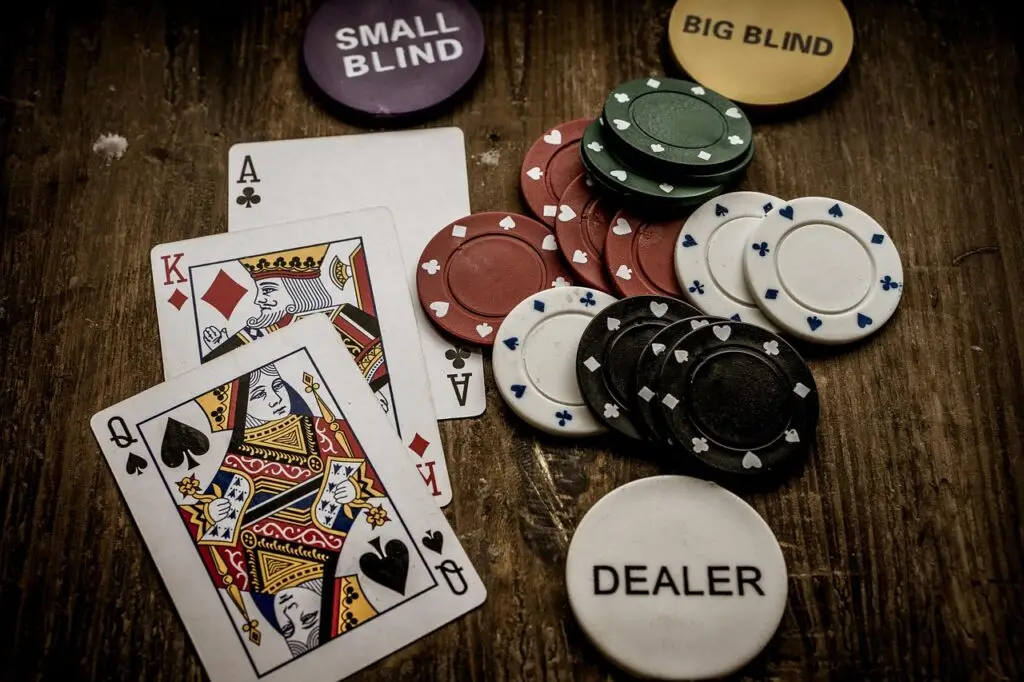
Casinos are designed primarily for entertainment. Games such as slots, roulette, blackjack, poker, and baccarat rely on varying combinations of chance and skill. Slot machines and roulette are almost entirely based on probability, while games like poker and blackjack allow skilled players to influence outcomes over time.
A key concept in casino gaming is the house edge. This mathematical advantage ensures that, over the long run, the casino will always make a profit. Individual players may win in the short term, but statistically, consistent winnings are unlikely without exceptional skill in specific games like poker. Casinos are transparent about odds, yet the excitement, atmosphere, and occasional big wins often overshadow the reality of long-term losses.What is 3 5 7 rule in forex?
For many players, casinos offer entertainment value rather than a serious income opportunity. Problems arise when players confuse luck with skill or chase losses, leading to financial and emotional stress.
What Is Forex Trading?
Buying and selling currencies on the international foreign exchange market is known as forex trading. Traders aim to profit from fluctuations in exchange rates, such as the value of the euro against the US dollar. Unlike casinos, the forex market is decentralized, operates 24 hours a day, and has enormous liquidity, with daily trading volumes reaching trillions of dollars.
Forex trading is often marketed as a legitimate investment or business opportunity. It relies heavily on technical analysis, fundamental analysis, and market sentiment. Traders study charts, economic indicators, interest rates, inflation data, and geopolitical events to make informed decisions.
However, despite its professional appearance, forex trading is extremely risky. High leverage allows traders to control large positions with relatively small capital, which can magnify profits—but also devastating losses. Statistics from regulators consistently show that a majority of retail forex traders lose money.
Similarities Between Casinos and Forex
Although casinos and forex markets differ in structure and purpose, they share several striking similarities:
1. Risk and Uncertainty
Both casino games and forex trades involve uncertainty. No outcome is guaranteed, and even the most skilled trader or player can experience losing streaks. Random events, market shocks, or unexpected results can quickly change outcomes.
2. Probability and Statistics
Casino games are governed by probability, while forex trading relies on statistical patterns and probabilities rather than certainty. In both cases, success depends on understanding odds, risk-to-reward ratios, and long-term expectations rather than single outcomes.
3. Emotional Control
Psychology plays a major role in both activities. Fear, greed, overconfidence, and impatience can lead to poor decisions. In casinos, this may mean chasing losses or increasing bets impulsively. In forex trading, it can mean overtrading, ignoring stop-loss levels, or risking too much capital on one trade.
4. Money Management
Proper bankroll or capital management is essential. Casinos advise setting limits, while forex traders rely on position sizing and risk management rules. Those who fail to manage money responsibly are likely to lose quickly in both environments.
Important Distinctions Between Forex Trading and Casino Gaming
Despite these similarities, important differences separate casino gaming from forex trading:
Skill vs. Structural Advantage
Casinos are mathematically designed to win over time. In forex, there is no built-in “house edge” in the same sense. Profits come from other traders’ losses, transaction costs, and market inefficiencies. Skilled traders can be profitable, but consistency is rare and difficult.
Purpose and Regulation
Casinos are primarily entertainment venues, while forex markets serve economic functions such as international trade, investment, and currency hedging. Forex trading is regulated in many countries, though regulatory quality varies widely, and scams remain a concern.
Time Horizon
Casino games produce immediate outcomes. Forex trading can be short-term (day trading or scalping) or long-term (swing and position trading), requiring patience and analysis over days, weeks, or months.
The Psychological Trap
One of the most dangerous aspects shared by casino gaming and forex trading is the illusion of control. Small wins can create overconfidence, making individuals believe they have mastered the system. Marketing plays a major role in reinforcing this illusion—luxury lifestyles, success stories, and “easy money” narratives are common in both industries.
This psychological trap can turn entertainment or trading into compulsive behavior. Responsible participation requires self-awareness, realistic expectations, and strict limits.
Responsible Participation
Whether engaging in casino gaming or forex trading, responsibility is crucial. Players and traders should:
- Only use money they can afford to lose
- Set clear limits on time and capital
- Avoid emotional decision-making
- Educate themselves thoroughly
- Seek regulated platforms and transparent rules
For forex traders, education, demo accounts, and conservative leverage are essential. For casino players, viewing gambling as entertainment rather than income is key.
Conclusion
Casino gaming and forex trading may appear worlds apart, but both revolve around risk, probability, and human psychology. Casinos openly offer entertainment with known odds, while forex markets promise opportunity but demand discipline, knowledge, and emotional control. In both cases, success is less about luck and more about understanding limitations.
Recognizing the similarities and differences between casinos and forex trading allows individuals to make more informed, responsible choices—and to avoid confusing excitement with sustainable success.