

Automobiles development have become one of the most influential inventions in human history, transforming the way people live, work, and connect with the world. From the earliest steam-powered vehicles to today’s intelligent electric cars, automobiles reflect technological progress, economic development, and changing social values. Their impact goes far beyond transportation, shaping cities, industries, lifestyles, and even the global environment.
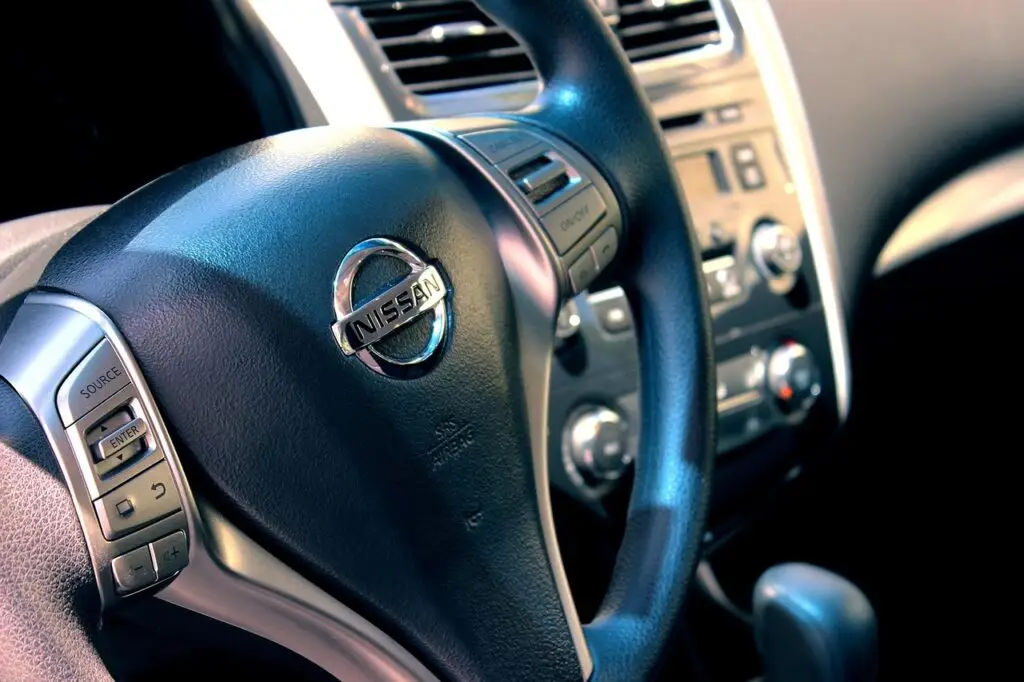
A Brief History of Automobiles
The story of the automobile began in the late 19th century when inventors experimented with engines capable of moving vehicles without animal power. Karl Benz is frequently given credit for developing the first usable automobile with an internal combustion engine in 1885. However, automobiles remained luxury items until Henry Ford revolutionized the industry in the early 20th century. Ford’s introduction of the assembly line in 1913 made mass production possible, significantly reducing costs and making cars affordable for the average person.
As automobiles became more accessible, they rapidly replaced horse-drawn carriages and reshaped transportation systems. Roads improved, fueling stations emerged, and supporting industries such as oil, steel, and rubber expanded. By the mid-20th century, automobiles had become symbols of freedom, progress, and personal identity.
Automobiles and Economic Development
The automobile industry is one of the largest contributors to the global economy. It provides millions of jobs worldwide, from manufacturing and engineering to sales, maintenance, and logistics. Many countries rely heavily on automobile production and exports as a source of national income. In addition, the industry drives innovation in materials science, electronics, artificial intelligence, and energy storage.How does the automobile impect society today?
Automobiles also support economic activity by enabling efficient transportation of people and goods. Businesses depend on vehicles for supply chains, delivery services, and employee mobility. In many regions, access to a car improves employment opportunities, allowing individuals to commute longer distances and access a wider range of jobs.
Social and Cultural Influence
Beyond economics, automobiles have deeply influenced social life and culture. They have changed how cities are designed, encouraging suburban growth and shaping modern urban planning. Highways, parking spaces, and drive-through services all exist because of widespread car ownership.
Cars also play a strong role in popular culture. They appear in films, music, and advertising as symbols of independence, power, and status. For many people, owning a car represents personal achievement or adulthood. Car customization and motorsports further highlight how automobiles serve not only practical needs but also emotional and recreational ones.
Environmental Challenges
Despite their many benefits, automobiles present serious environmental challenges. Traditional vehicles powered by gasoline or diesel engines emit greenhouse gases and pollutants that contribute to climate change and air pollution. Urban areas with heavy traffic often experience smog, noise pollution, and health problems linked to vehicle emissions.
As awareness of environmental issues has grown, governments and manufacturers have faced increasing pressure to reduce the negative impact of automobiles. Regulations on emissions, fuel efficiency standards, and investments in public transportation aim to address these concerns. However, balancing mobility needs with environmental protection remains a major global challenge.
The Rise of Electric and Smart Vehicles
The popularity of electric cars (EVs) has been one of the biggest trends in recent years. Powered by rechargeable batteries instead of internal combustion engines, EVs produce zero tailpipe emissions and offer a cleaner alternative to traditional cars. Advances in battery technology have improved driving range, performance, and charging speed, making electric cars more practical and appealing to consumers.
In addition to electrification, modern automobiles are becoming increasingly intelligent. Features such as advanced driver-assistance systems, GPS navigation, and vehicle connectivity enhance safety and convenience. Some cars can now park themselves, detect obstacles, and communicate with other vehicles. Autonomous or self-driving cars, although still under development, promise to further transform transportation by reducing accidents and improving traffic efficiency.
The Future of Automobiles
The future of automobiles is likely to be shaped by sustainability, technology, and changing consumer behavior. Shared mobility services, such as car-sharing and ride-hailing, are reducing the need for private car ownership in some urban areas. Governments are investing in charging infrastructure and renewable energy to support cleaner transportation systems.
At the same time, automobiles will continue to evolve as personal mobility devices. Designers and engineers are rethinking vehicle interiors, materials, and energy sources to create safer, smarter, and more environmentally friendly cars. While challenges remain, innovation suggests that automobiles will adapt to meet the demands of a rapidly changing world.
Conclusion
Automobiles have played a central role in shaping modern society, influencing economic growth, cultural identity, and technological advancement. While they have brought convenience and opportunity, they have also created environmental and social challenges that cannot be ignored. As the industry moves toward electric, connected, and autonomous vehicles, automobiles are entering a new era—one that aims to balance mobility with sustainability. The journey of the automobile is far from over, and its next chapters will be just as transformative as its past.
If you want this tailored for school level, college level, or a specific focus (electric vehicles, history only, advantages and disadvantages, etc.), just tell me 👍