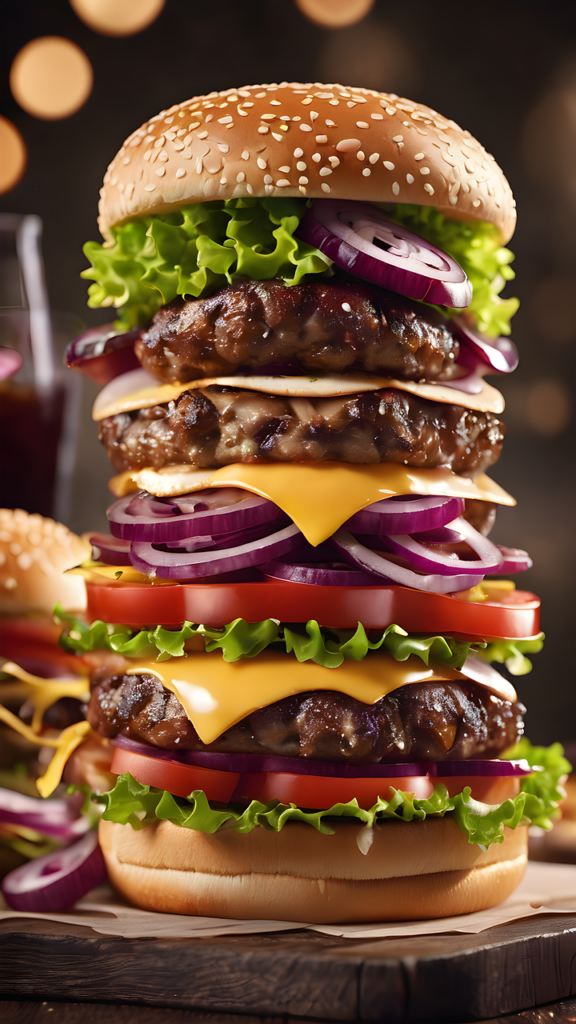

Ramadan is a holy month observed by millions of Muslims around the world, marked by fasting from dawn to sunset. During this period, food choices become especially important because long hours without eating and drinking place extra demands on the body. While fasting is intended to promote spiritual growth and self-discipline, many people break their fasts with rich, indulgent meals — and junk food often takes center stage. Burgers, fried snacks, sugary drinks, cakes, and pastries may be tempting after a day of fasting, but consuming high quantities of these foods can cause a range of health problems, undermine the benefits of fasting, and leave the body struggling to maintain balance. This article explores the Side Effects of Junk Food in Ramadan, why they occur, and how to avoid them.

What Is Junk Food?
Junk food refers to foods that are high in calories, sugar, unhealthy fats, and salt, but low in essential nutrients such as vitamins, minerals, and fiber. Examples include:
- Fried snacks (samosas, pakoras, French fries)
- Packaged snacks (chips, puffed crisps)
- Sugary desserts and sweets
- Sugary drinks (colas, sweet juices)
- Fast food (burgers, pizza, fried chicken)
- Pastries and refined flour products
During Ramadan, many people rely on these foods because they are quick to prepare, taste satisfying, and deliver an immediate energy boost. However, the body’s needs during fasting are very different — and junk food often does more harm than good.
Why Junk Food Consumption Spikes in Ramadan
The fasting period in Ramadan often leads to increased appetite at Iftar (the sunset meal) and Sahoor (pre-dawn meal). After a long day without food and water, the body is eager for quick energy. Junk foods deliver fast calories — but at a high cost:
- Instant energy but short-lived: Simple sugars and carbs cause rapid blood sugar spikes followed by crashes, leading to fatigue.
- Emotional comfort: Many people associate fried foods and sweets with celebration and reward after fasting.
- Convenience: During Ramadan, families may prefer easy meals over lengthy cooking.
- Social tradition: Sweet desserts and fried snacks are often shared with family and guests.
Though these reasons explain the popularity of junk food in Ramadan, the side effects deserve serious attention.
Major Side Effects of Junk Food in Ramadan
1. Digestive Problems
Eating heavy, greasy junk food immediately after breaking a fast can shock the digestive system. After hours without food, the body struggles to release enough digestive enzymes to quickly process high-fat, high-salt meals. This often leads to:
- Bloating
- Indigestion
- Gas and flatulence
- Abdominal discomfort
- Heartburn
Digestive issues are one of the most common complaints after a big Iftar full of fried snacks.
2. Blood Sugar Spikes and Crashes
Junk foods are rich in refined carbohydrates and sugars. When eaten after a long fast:
- Blood sugar rises rapidly
- To control the increase, the pancreas releases a lot of insulin.
- Blood sugar dips quickly afterward, leading to fatigue, irritability, and cravings.
3. Weight Gain
Fasting naturally reduces calorie intake, but if one compensates with calorie-dense junk foods, total daily calories can still be too high. This can lead to:
- Unwanted weight gain
- Increased belly fat
- Higher body mass index (BMI)
Even short-term overeating during Ramadan — when indulging every day — can cause several pounds of weight gain.
4. Dehydration
High-salt foods increase water retention and make you feel thirstier. But since fasting prohibits drinking water during the day, consuming salty snacks at Iftar or Sahoor can worsen dehydration. Signs of dehydration include:
- Dry mouth
- Dark urine
- Headaches
- Fatigue
- Dizziness
Maintaining hydration during non-fasting hours becomes harder if meals are salt-loaded.
5. Increased Risk of Heart Problems
Junk food is typically high in trans fats and saturated fats — known contributors to elevated LDL (“bad”) cholesterol. During Ramadan’s concentrated eating periods:
- Fats are consumed in large amounts in a short time
- The liver and heart work harder to process them
- Over time, this contributes to heart disease risk
For people with pre-existing heart conditions, this can be particularly risky.
6. Low Energy and Poor Sleep Quality
Although junk food delivers quick energy, it often leads to:
- Lethargy (especially after a heavy meal)
- Difficulty sleeping
- Disrupted circadian rhythm
This can make fasting days less spiritually fulfilling and more challenging socially.
Why These Effects Are Worse During Ramadan
During Ramadan, the body is already under significant metabolic adjustment:
- Long fasting hours
- Limited hydration
- Shifted sleep patterns
- Concentrated eating
How to Reduce the Side Effects
Ramadan doesn’t have to mean giving up all pleasures — but balance is key. Here are healthier habits that help:
At Iftar
- Break the fast with water and dates (for natural sugars and fiber)
- Include fresh fruits and vegetables
- Eat lean proteins (chicken, fish, lentils)
- Choose grilled over fried foods
- Drink fluids gradually (avoid gulping large amounts at once)
At Sahoor
- Prefer complex carbohydrates (oats, whole grains)
- Include protein (eggs, yogurt, legumes)
- Avoid salty snacks that increase thirst
- Hydrate well before fasting begins
Smart Swaps
| Instead of… | Choose… |
|---|---|
| Fried samosas | Baked vegetable pastries |
| Sugar-filled beverages | Coconut water and water |
| Sugary pastries | Yogurt and fruit |
| Burgers & fries | Grilled wrap with salad |
Conclusion
Ramadan is a time for introspection, self-control, and spiritual development. Nourishing the body in a balanced way enhances both physical well-being and the fasting experience. While junk food may feel comforting and tempting, its side effects — from digestive trouble and weight gain to blood sugar spikes and mood swings — are magnified in the unique context of Ramadan.