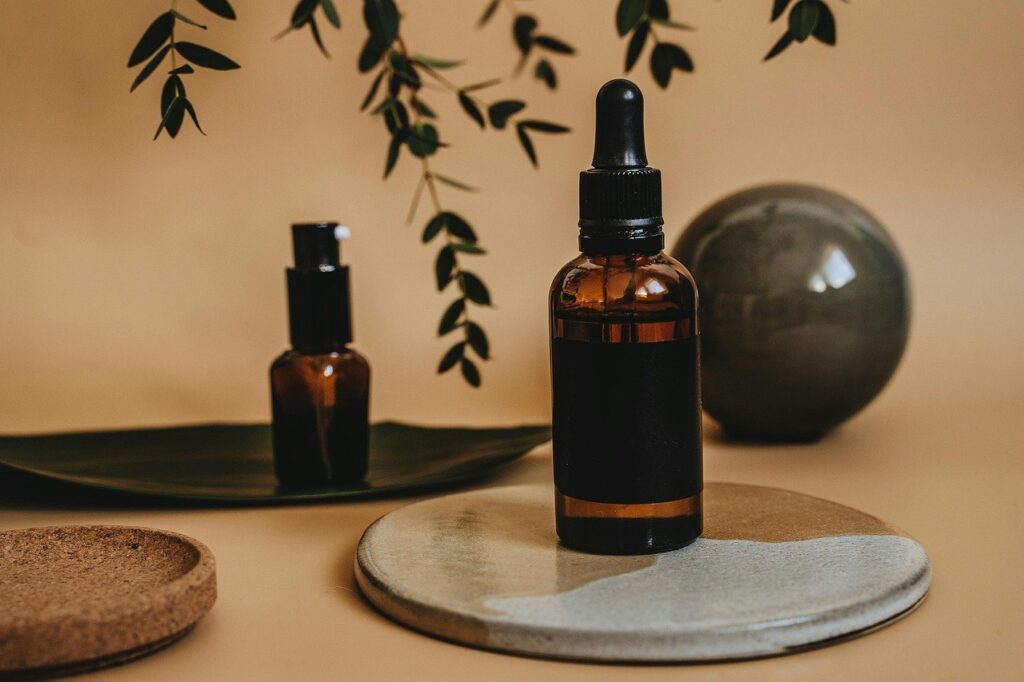

Best Whitening & Acne Serums have become essential staples in skincare routines worldwide. Lightweight yet potent, they deliver high concentrations of active ingredients deep into the skin. For anyone battling dullness, dark spots, post-acne marks, or acne itself, the right serum can be a game changer. This article explores top whitening and acne-targeting serums, the science behind them, how to choose one, and tips for maximum results.
What Are Serums and Why Are They Effective?
Serums are concentrated formulas designed to deliver powerful actives like vitamin C, niacinamide, retinol, salicylic acid, and peptides directly into the skin. Because they have smaller molecules and fewer fillers than moisturizers, serums penetrate deeper and act faster.
- Whitening serums focus on brightening dull skin and reducing dark spots and hyperpigmentation.
- Acne serums focus on reducing breakouts, unclogging pores, controlling oil, and calming inflammation.
Some serums do both — brightening acne scars while clearing blemishes.
How Whitening Serums Work
Whitening (or brightening) serums target discoloration by blocking melanin production, the pigment responsible for dark spots. The key goals are:
Reduce dark spots & hyperpigmentation
Brighten overall skin tone Improve radiance and glow
Fade post-inflammatory marks from acne

Key Whitening Ingredients
| Ingredient | What It Does |
|---|---|
| Vitamin C (L-Ascorbic Acid, MAP, SAP) | Powerful antioxidant; brightens and protects from free radicals |
| Vitamin B3, or niacinamide, | Elevates tone, lessens redness, and aids in the disappearance of markings |
| Kojic Acid | prevents the synthesis of melanin |
| Arbutin | Gently brightens & reduces dark spots |
| Licorice Extract | Soothes skin while reducing pigmentation |
| Alpha Arbutin | More effective version of arbutin for stubborn spots |
Consistency and sun protection are crucial — even the best serums work best when paired with SPF daily.
How Acne Serums Work
Acne serums aim to calm active breakouts and prevent new ones by targeting clogged pores, excess oil, and inflammation.
Key Acne-Fighting Ingredients
| Ingredient | What It Does |
|---|---|
| Salicylic Acid (BHA) | Penetrates pores to clear clogs and reduce blackheads |
| Benzoyl Peroxide | Kills acne-causing bacteria |
| Niacinamide | Reduces inflammation and regulates oil |
| Retinoids (Retinol, Adapalene) | Boosts cell turnover, prevents clogged pores |
| Azelaic Acid | Anti-inflammatory; great for sensitive acne |
| Tea Tree Oil | Natural antibacterial (gentle) |
Some serums combine these with soothing agents like aloe, green tea, panthenol, or hyaluronic acid to balance acne treatment with hydration.
Choosing the Right Serum for You
First, Know Your Skin Type
✔ Oily/Acne-Prone Skin → Look for salicylic acid, niacinamide, tea tree, or adapalene.
✔ Dry or Sensitive Skin → Choose serum with gentle brighteners like niacinamide, vitamin C derivatives (SAP/MAP), azelaic acid, and hydrating ingredients.
✔ Combination Skin → You can combine serums, using oil-control or acne serums on T-zone and brightening serums elsewhere.
Pairing Serums Safely
- Do not use strong exfoliants (like AHAs/BHAs) with retinoids on the same night unless your skin is very tolerant.
- Apply vitamin C in the morning (antioxidant + sunscreen = better protection).
- Use retinoids or acids at night.
- Always follow with moisturizing and sunscreen.
Best Whitening & Acne Serums to Consider
Below is a curated list of serums that fit different needs — from potent acne fighters to brightening essentials.
1. Vitamin C-Focused Brightening Serums
Vitamin C is a gold-standard ingredient for skin brightness and anti-aging.
Best for dark spots, dullness, and uneven tone
Benefits: boosts radiance, protects from environmental stressors, fades pigmentation
Tip: Start with derivatives (like SAP/MAP) if your skin is sensitive.
2. Acne Fighter Serums
These focus on clearing and preventing breakouts without harsh dryness.
Good choice for blackheads, whiteheads, and clogged pores
Benefits: unclogs pores, reduces inflammation, keeps oil in check
3. Dual-Action Brightening + Acne Serums
Some serums combine acne-targeting and brightening actives — ideal for those with acne scars or pigmentation from past breakouts.
Targets both blemishes and dark marks
Benefits: smoother skin texture, more even tone, fewer breakouts
A Simple Weekly Routine
Here’s how you can apply serums effectively:
Morning
- Cleanser
- Vitamin C or niacinamide serum
- Moisturizer
- Sunscreen (must!)
Evening
- Active Nights (2–3x/week)
- Cleanser
- Acne serum (salicylic acid / adapalene)
- Moisturizer
- Rest Nights
- Cleanser
- Brightening serum
- Moisturizer
Always introduce one serum at a time — watch how your skin reacts for 1–2 weeks before adding another.
Safety Tips — What to Avoid
Combining multiple exfoliating acids at once (e.g., AHA + BHA + retinol)
Skipping sunscreen (even on cloudy days!)
Applying serums on broken skin without guidance
Expecting overnight results — serums take time
Patch Test: Always Do This
Before applying a new serum all over your face:
- Apply a small amount behind your ear or on your inner wrist.
- Wait 24 hours.
- If no redness, itching, or irritation occurs — great to proceed!
Final Takeaway
Whitening and acne serums aren’t magic potions — but when selected wisely and used consistently, they transform skin by:
Reducing dark spots and dullness
Clearing and preventing breakouts Improving texture and glow
Supporting overall skin health
The secret lies in understanding your skin, choosing the right actives, and sticking with a balanced routine that includes hydration and sun protection.