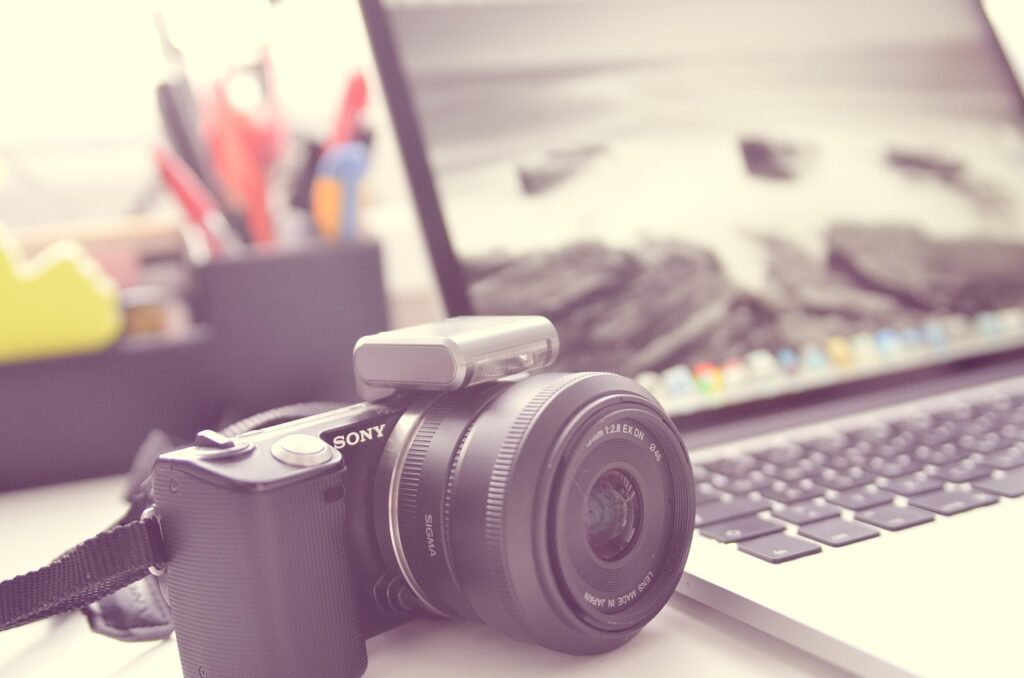

In today’s digital world, Photo and Video Editing Software Tools That Power Modern Creativity plays a crucial role in communication, marketing, entertainment, and personal expression. From social media influencers to professional filmmakers, millions of people rely on powerful editing tools to enhance visuals, tell compelling stories, and create high-quality content. As technology continues to evolve, editing software has become more advanced, user-friendly, and accessible than ever before.
The Importance of Editing Software
Editing is more than just adjusting brightness or trimming a clip. It is the process of refining raw content into a polished final product. Photo editing software allows users to correct colors, remove imperfections, adjust lighting, add effects, and manipulate images creatively. Video editing software enables creators to cut and arrange clips, add transitions, include music and sound effects, insert titles, and apply visual effects.
Whether for professional photography, YouTube videos, advertising campaigns, or personal memories, editing software helps transform ordinary visuals into engaging content that captures attention and communicates a clear message.
Popular Photo Editing Software
Several powerful programs dominate the photo editing industry, each offering unique features and tools.
1. Adobe Photoshop
One of the most widely recognized photo editing programs in the world, Adobe Photoshop is known for its advanced capabilities and versatility. It offers tools for image retouching, color correction, compositing, digital painting, and graphic design. Professionals in photography, marketing, and design often rely on Photoshop for high-level editing tasks.
Photoshop supports layers, masks, blending modes, and smart objects, allowing users to work non-destructively and maintain flexibility in their projects. While it may have a steep learning curve for beginners, it remains an industry standard.
2. Adobe Lightroom
Adobe Lightroom is designed specifically for photographers who need efficient workflow management and batch editing. Unlike Photoshop, Lightroom focuses on organizing, enhancing, and exporting large collections of images. It provides powerful tools for exposure adjustments, color grading, lens correction, and preset application.
Lightroom is particularly popular among wedding, travel, and portrait photographers due to its streamlined interface and ability to handle RAW image files effectively.
3. GIMP
GIMP (GNU Image Manipulation Program) is a free, open-source photo editing software. It offers many features similar to Photoshop, including layers, filters, and customizable brushes. While it may not be as polished or feature-rich as premium software, it provides an excellent option for students, hobbyists, and small businesses working with limited budgets.

4. Canva
Canva is a web-based design tool that simplifies photo editing and graphic creation. It is especially popular among social media managers and small business owners. With drag-and-drop functionality, templates, and ready-made design elements, Canva makes it easy for beginners to create professional-looking visuals without advanced technical skills.
Popular Video Editing Software
Video editing requires more processing power and specialized tools compared to photo editing. Here are some of the leading video editing platforms:
1. Adobe Premiere Pro
Adobe Premiere Pro is a professional video editing software widely used in film, television, and online content production. It offers advanced features such as multi-camera editing, color grading tools, audio mixing, motion graphics integration, and support for various video formats.
2. Final Cut Pro
Apple created the professional video editing program Final Cut Pro. It is known for its fast performance, magnetic timeline, and optimized workflow for macOS users. Many independent filmmakers and content creators prefer Final Cut Pro because of its intuitive interface and powerful rendering capabilities.
3. DaVinci Resolve
DaVinci Resolve’s sophisticated color repair and grading tools have earned it a lot of respect. Originally known for color grading, it has evolved into a full-featured video editing suite that includes visual effects, motion graphics, and audio post-production. It also offers a free version with extensive capabilities, making it attractive to beginners and professionals alike.
4. iMovie
iMovie is a beginner-friendly video editing software available on Apple devices. It provides essential editing tools such as trimming, transitions, music integration, and basic effects. While it lacks the advanced features of professional software, it is ideal for students and casual users who want to create simple, polished videos quickly.
Key Features of Editing Software
Modern photo and video editing programs share several common features:
- User Interface (UI): A well-designed interface improves workflow and reduces learning time.
- Layer Support: Layers allow users to separate different elements of an image or video for precise control.
- Color Correction Tools: Essential for adjusting brightness, contrast, saturation, and white balance.
- Effects and Filters: Enhance creativity and add stylistic elements.
- Export Options: Support for multiple file formats and resolutions ensures compatibility with various platforms.
- Cloud Integration: Many programs now offer cloud storage and collaboration features.
Benefits of Using Editing Software
Editing software provides numerous benefits:
- Professional Quality: High-end tools enable cinematic visuals and magazine-level photography.
- Creative Freedom: Users can experiment with artistic styles and visual storytelling.
- Efficiency: Batch processing and automation save time.
- Brand Consistency: Businesses can maintain a consistent visual identity.
- Enhanced Engagement: High-quality visuals attract more viewers and improve communication effectiveness.
Challenges and Considerations
Despite their advantages, editing software also presents challenges. Advanced programs may require powerful computers and significant storage space. Subscription costs for professional tools can be expensive. Additionally, mastering advanced features demands time, practice, and sometimes formal training.
Beginners may feel overwhelmed by complex interfaces and numerous options. However, online tutorials, courses, and user communities provide valuable support.
The Future of Editing Software
The future of photo and video editing is strongly influenced by Artificial intelligence (AI) photo editing. AI-powered tools can automatically enhance images, remove backgrounds, stabilize shaky footage, and even generate visual effects. Cloud-based platforms are also enabling real-time collaboration between creators worldwide.
Conclusion
Photo and video editing software has revolutionized the way people create and share visual content. From professional programs like Adobe Photoshop and Adobe Premiere Pro to beginner-friendly tools like Canva and iMovie, there are options available for every skill level and purpose.