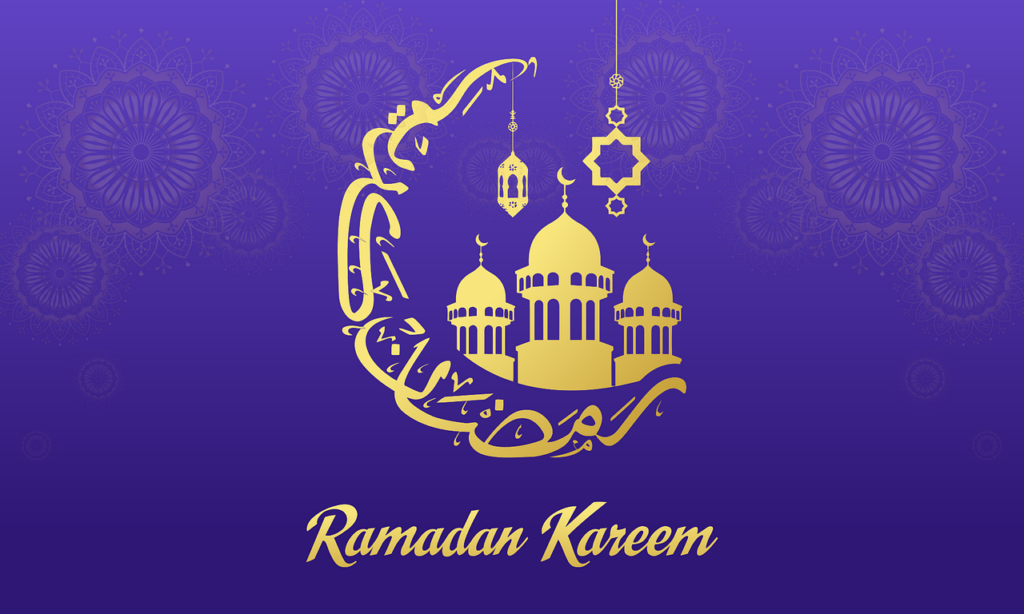

For Muslims worldwide, the ninth month of the Islamic lunar calendar, Ramadan The Holy Month of Faith Spiritual Reflection, and Compassion. It is a month dedicated to fasting, prayer, self-discipline, and deep reflection. Observed by over a billion Muslims, Ramadan is not only a religious obligation but also a time of personal growth, community bonding, and compassion for others.
The Meaning and Importance of Ramadan
Ramadan commemorates the period when the first verses of the Holy Qur’an were revealed to the Prophet Muhammad (peace be upon him). Because of this, the month is considered especially sacred. Fasting during Ramadan is one of the Five Pillars of Islam, which are the core acts of worship that shape a Muslim’s faith and practice.
The word “Ramadan” comes from an Arabic root meaning scorching heat, symbolizing how fasting is believed to burn away sins. Beyond abstaining from food and drink, Ramadan emphasizes spiritual purification, moral discipline, and increased awareness of God (Allah).
The Practice of Fasting (Sawm)
Fasting during Ramadan, known as Sawm, is observed from dawn (Fajr) until sunset (Maghrib). During these hours, adult Muslims refrain from eating, drinking, smoking, and marital relations. However, fasting goes far beyond physical restraint. Muslims are encouraged to avoid negative behaviors such as lying, gossiping, anger, and dishonesty.
The fast begins with a pre-dawn meal called Suhoor, which provides energy for the day ahead. At sunset, the fast is broken with Iftar, often starting with dates and water, following the tradition of the Prophet Muhammad. Families and communities frequently gather for Iftar, making it a time of togetherness and gratitude.
Certain groups are exempt from fasting, including children, the elderly, travelers, pregnant or breastfeeding women, and those who are ill. Those unable to fast may make up the days later or offer charity instead, emphasizing Islam’s focus on mercy and practicality.
Prayer and Spiritual Growth
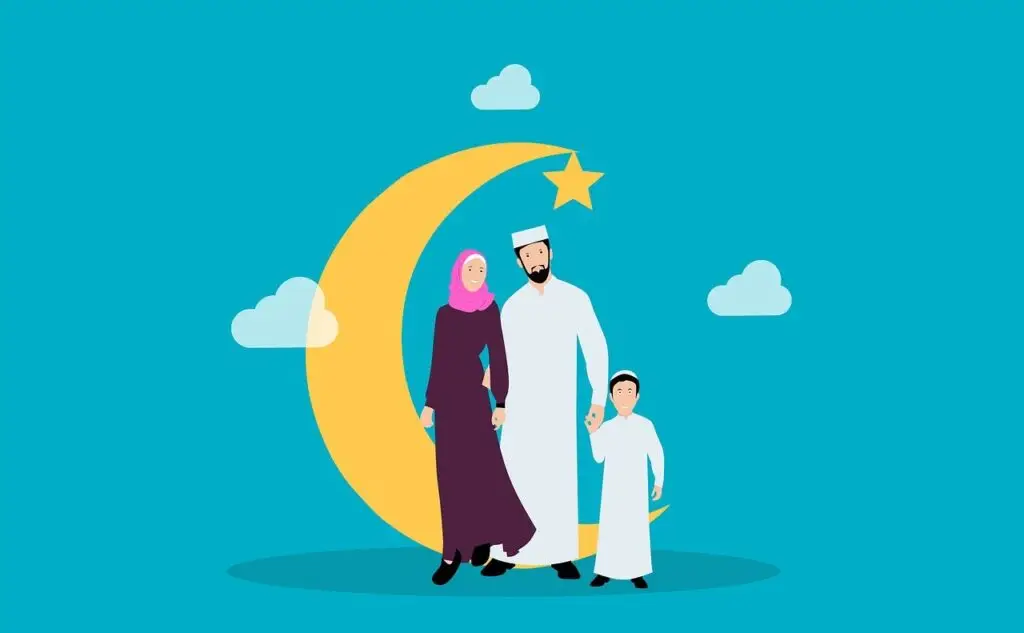
Ramadan revolves around reading and contemplating the Qur’an. Muslims perform the five daily prayers as usual, but many also engage in additional acts of devotion. One of the most significant is Taraweeh, special nightly prayers performed after the evening prayer (Isha). During these prayers, long portions of the Qur’an are recited, with the goal of completing the entire Qur’an by the end of the month.
Reading and reflecting on the Qur’an is central to Ramadan. Many Muslims aim to read the full text at least once during the month. This practice strengthens spiritual awareness and provides guidance for daily life.
Another key aspect is dua (supplication), where Muslims ask for forgiveness, guidance, and blessings. Ramadan is believed to be a time when prayers are especially likely to be accepted.
Charity and Compassion
Charity is a major theme of Ramadan. Muslims are encouraged to be generous and mindful of those less fortunate. One obligatory form of charity during this month is Zakat al-Fitr, which is given before the Eid prayer at the end of Ramadan. This ensures that everyone, including the poor, can celebrate the festival.
In addition to obligatory charity, many Muslims give voluntary donations (Sadaqah), help feed the hungry, and participate in community service. Experiencing hunger through fasting fosters empathy and a deeper understanding of the struggles faced by the needy.
Laylat al-Qadr: The Night of Power
One of the most sacred moments of Ramadan is Laylat al-Qadr (the Night of Power), believed to fall on one of the last ten odd-numbered nights of the month. It commemorates the evening of the Qur’an’s initial revelation.According to Islamic belief, worship on this night is better than worship over a thousand months.
During Laylat al-Qadr, Muslims engage in intense prayer, reflection, and remembrance of God, seeking forgiveness and blessings. The exact date is unknown, encouraging worship throughout the final days of Ramadan.
The Festivity at the End of Ramadan: Eid al-Fitr
Ramadan concludes with Eid al-Fitr, a joyous festival marking the end of fasting. The day begins with a special communal prayer, followed by celebrations with family and friends. People wear new or their best clothes, share meals, exchange gifts, and greet one another with “Eid Mubarak,” meaning “Blessed Eid.”
Eid is a time of gratitude and happiness, but also of sharing. Acts of charity and kindness remain central, reinforcing the values learned during Ramadan.
Ramadan in the Modern World
In today’s fast-paced world, observing Ramadan can be challenging, especially for Muslims balancing work, school, and daily responsibilities. However, the month offers an opportunity to slow down, reconnect with faith, and reassess priorities. Many Muslims use Ramadan to reduce distractions, limit social media, and focus on personal well-being and spirituality.
Despite cultural differences, the essence of Ramadan remains the same across the globe: devotion, self-control, generosity, and unity.
Conclusion
There is much more to Ramadan than just a month-long fast. It is a transformative period that nurtures patience, humility, and compassion. Through fasting, prayer, charity, and reflection, Muslims seek to strengthen their relationship with God and improve their character. The lessons of Ramadan—self-discipline, empathy, and gratitude—extend beyond the month itself, shaping how Muslims strive to live throughout the year.