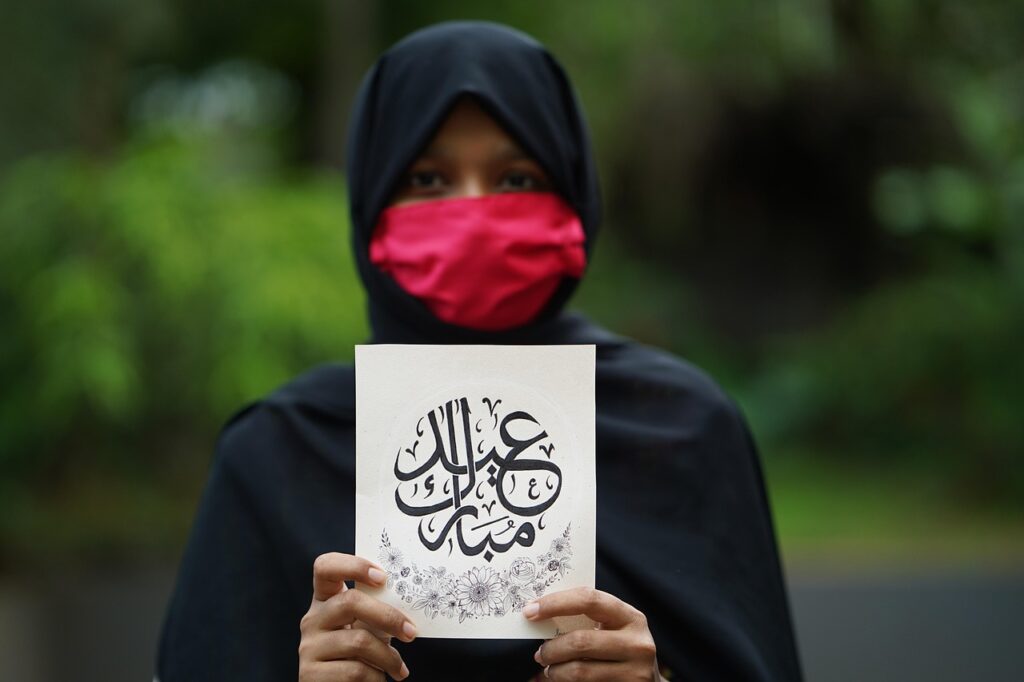

Eid-ul-Fitr is one of the most joyful and significant festivals celebrated by Muslims all over the world. It marks the end of the holy month of Ramadan, a period of fasting, prayer, self-discipline, and spiritual reflection. The word Eid means “festival” or “celebration,” while Fitr means “breaking the fast.” Together, Eid-ul-Fitr symbolizes gratitude to Allah for the strength to complete Ramadan and the joy of returning to normal life with renewed faith, kindness, and unity.
This special day begins with an early morning prayer known as Salat-ul-Eid, followed by greetings, charity, family gatherings, and festive meals. Among all these traditions, sweet dishes hold a very special place. Preparing, sharing, and enjoying sweets is an essential part of Eid-ul-Fitr celebrations and reflects happiness, generosity, and togetherness.
Religious and Cultural Importance of Eid-ul-Fitr
Eid-ul-Fitr is not only a celebration but also a spiritual milestone. Before offering Eid prayer, Muslims are required to give Zakat-ul-Fitr, a form of charity meant to help the poor enjoy the festival as well. This emphasizes the values of compassion, equality, and social responsibility. On Eid, people forgive each other, strengthen relationships, and spread peace and goodwill.
Food plays an important role in expressing these values. After a month of fasting from dawn to sunset, Eid meals symbolize reward, balance, and gratitude. Sweet dishes, in particular, represent joy and the sweetness of faith after patience and sacrifice.
Importance of Sweet Dishes on Eid-ul-Fitr
Sweet dishes are deeply connected with Eid-ul-Fitr traditions. Prophet Muhammad (peace be upon him) is known to have eaten dates before going for Eid prayer, which highlights the significance of beginning the day with something sweet. This practice has become symbolic,Traditional foods for eid, and sweets are now a central feature of Eid celebrations.
Sweets signify happiness, celebration, and hospitality. They are prepared at home with love, shared with guests, neighbors, and relatives, and often exchanged as gifts. Offering sweets is a way of expressing gratitude, strengthening social bonds, and spreading joy within the community.
Popular Sweet Dishes and Their Combinations
Different cultures celebrate Eid-ul-Fitr with their own traditional sweet dishes, each having unique flavors and meanings.
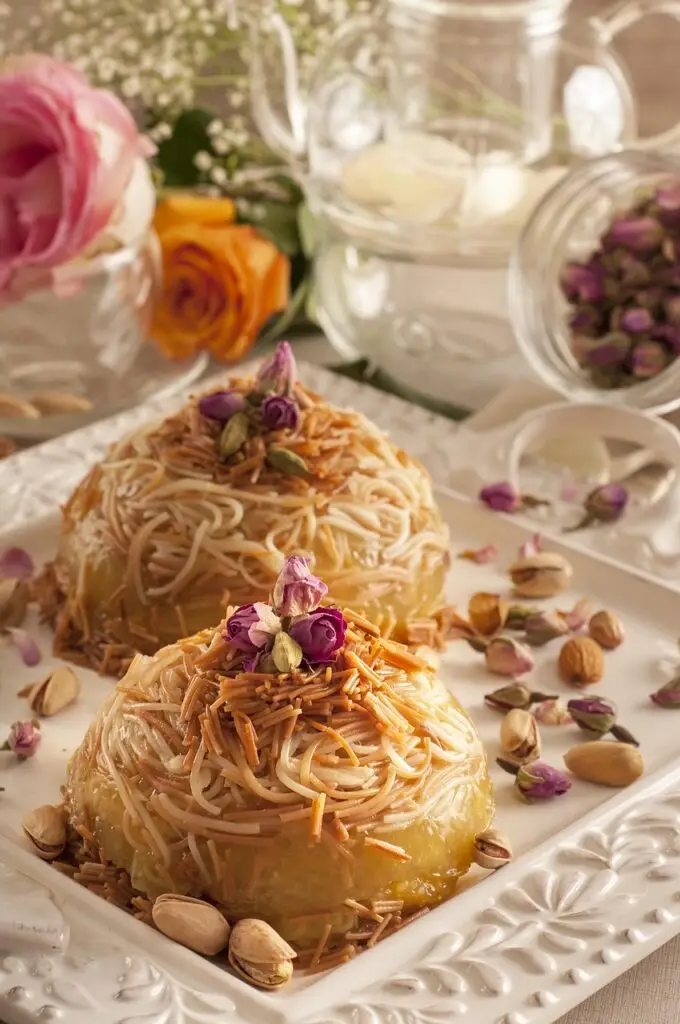
One of the most famous Eid desserts is Sheer Khurma, especially popular in South Asia and the Middle East. It is a rich dessert made from vermicelli, milk, sugar, dates, nuts, and sometimes dry fruits like almonds and pistachios. The combination of creamy milk, soft vermicelli, and natural sweetness from dates creates a perfect balance of taste and nutrition. Sheer Khurma is often served with fried snacks or enjoyed as a breakfast dish on Eid morning.
Seviyan (Sweet Vermicelli) is another widely loved dish. It is lighter than Sheer Khurma and is usually made with ghee, sugar, and cardamom. It pairs well with savory items such as samosas, pakoras, or kebabs, creating a delightful sweet-and-savory combination that many families enjoy during Eid gatherings.
In Middle Eastern countries, Baklava is a popular choice. This layered pastry made with filo dough, nuts, butter, and honey or syrup is rich and flavorful. Baklava is often served with Arabic coffee or tea, and its crunchy texture combined with sweet syrup makes it a favorite among guests.
Maamoul, a traditional cookie filled with dates, nuts, or figs, is another Eid favorite. Its mild sweetness and soft texture make it perfect to serve alongside tea. The combination of dates and dough reflects both tradition and nourishment.
In Turkey and parts of Central Asia, Lokum (Turkish Delight) is commonly shared during Eid. Its colorful appearance and chewy texture symbolize festivity and joy. Lokum is often paired with dry fruits or nuts, enhancing both taste and presentation.
In Southeast Asia, sweets like Kuih are popular. These small, colorful desserts made from coconut milk, rice flour, and palm sugar are served in assortments, showing variety and abundance during Eid.
Social and Emotional Importance of Sharing Sweets
The tradition of preparing and sharing sweet dishes strengthens family bonds. Family members often gather in the kitchen to cook together, passing down recipes from generation to generation. This creates a sense of belonging and cultural identity.
Exchanging sweets with neighbors and friends also promotes unity and harmony. It breaks social barriers and allows people of different backgrounds to share in the joy of Eid. For children, sweets are a source of excitement and happy memories, making Eid one of the most awaited festivals of the year.
Conclusion
Eid-ul-Fitr is a beautiful blend of faith, celebration, and compassion. Sweet dishes are not just food items but symbols of happiness, gratitude, and togetherness. The combination of traditional desserts with family gatherings, charity, and prayers makes Eid a truly meaningful occasion. Through the sweetness of these dishes, the spirit of Eid-ul-Fitr spreads love, unity, and joy across homes and communities, reminding everyone that after patience and sacrifice comes sweetness and reward.