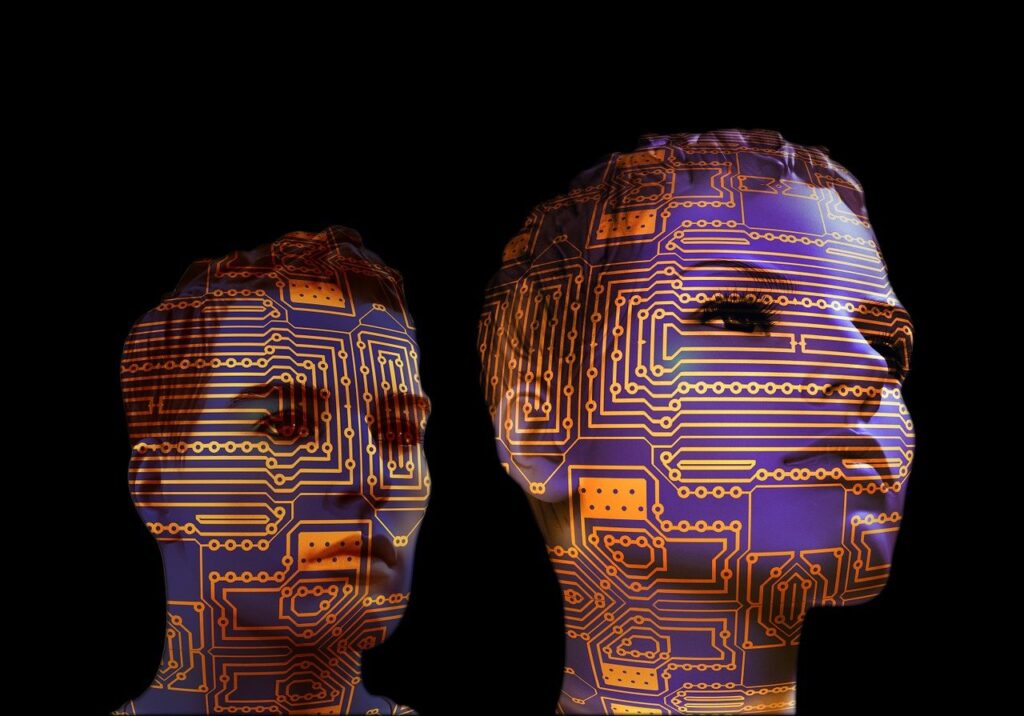

Artificial Intelligence Is Changing Jobs (AI) is no longer a future concept—it is actively transforming the global workforce. From the United States to Europe, Asia, and beyond, AI-powered tools are changing the way people work, the skills required, and the jobs in highest demand. As businesses adopt automation and intelligent systems, the nature of employment is evolving at an unprecedented pace.
This shift is creating both opportunities and challenges, making AI one of the most important and widely discussed topics worldwide.
The Global Rise of AI in the Workplace
AI adoption has accelerated rapidly due to advancements in machine learning, data processing, and cloud computing. Companies across industries are using AI to improve efficiency, reduce costs, and make data-driven decisions.
Key sectors adopting AI include:
- Technology and software development
- Healthcare and pharmaceuticals
- Finance and banking
- Marketing and digital advertising
- Manufacturing and logistics
In the United States, AI is becoming a core business strategy rather than an optional tool. The same trend is spreading globally as organizations compete in a technology-driven economy.
Jobs Most Affected by Artificial Intelligence
AI is changing jobs in different ways—not all roles are disappearing, but many are being redefined.
Roles Facing Automation
Jobs that involve repetitive, rule-based tasks are most vulnerable. These include:
- Data entry and administrative support
- Customer service through basic chat systems
- Manufacturing assembly line roles
- Basic accounting and bookkeeping
AI systems can perform these tasks faster, with fewer errors, and at lower long-term costs.

Jobs Being Transformed, Not Replaced
Many professions are evolving rather than disappearing. AI acts as a support system instead of a replacement.
Examples include:
- Doctors using AI for diagnostics
- Marketers using AI for data analysis and personalization
- Lawyers using AI for document review
- Journalists using AI for research assistance
In these cases, AI increases productivity while humans retain decision-making authority.
New Job Opportunities Created by AI
While some roles decline, AI is also creating new job categories worldwide. Demand is growing for professionals who can build, manage, and work alongside AI systems.
High-demand AI-related roles include:
- AI engineers and machine learning specialists
- Data scientists and analysts
- AI ethics and compliance officers
- Cybersecurity experts
- Prompt engineers and automation specialists
These roles often offer higher salaries, especially in the US, where AI talent demand exceeds supply.
Impact on Remote Work and Freelancing
AI has significantly boosted remote work opportunities. Businesses now rely on AI tools to manage distributed teams, automate workflows, and monitor productivity.
For freelancers and remote workers:
- AI tools improve efficiency and output
- Global clients become more accessible
- Competition increases, but skilled professionals benefit
This shift allows talent from developing countries to compete in global markets, reshaping employment on a worldwide scale.
Skills Required in an AI-Driven Job Market
The most important change AI brings is the shift in required skills. Technical expertise is valuable, but soft skills are becoming equally critical.
Top Skills for the Future
- AI literacy and tool usage
- Critical thinking and problem-solving
- Creativity and innovation
- Emotional intelligence and communication
- Adaptability and continuous learning
Workers who combine technical knowledge with human-centered skills are the most secure in the AI era.
Challenges and Concerns Around AI and Employment
Despite its benefits, AI raises serious concerns worldwide.
Job Displacement
Many workers fear unemployment due to automation. Without reskilling initiatives, income inequality could increase.
Ethical and Bias Issues
AI systems can reflect bias if trained on flawed data, impacting hiring decisions and workplace fairness.
Regulation and Policy Gaps
Governments, especially in the US and Europe, are still developing policies to manage AI’s impact on employment, privacy, and labor rights.

How Governments and Companies Are Responding
To address these challenges, many governments and organizations are investing in:
- Reskilling and upskilling programs
- AI education initiatives
- Ethical AI frameworks
- Workforce transition support
The United States is leading in AI investment, but global collaboration is increasing to ensure balanced growth.
Humans and AI Working Together
Artificial intelligence is not simply replacing jobs—it is redefining how work is done worldwide. The future workforce will depend on collaboration between humans and intelligent systems.
Those who adapt, learn new skills, and embrace AI as a tool rather than a threat will benefit the most. As AI continues to evolve, the global job market will favor flexibility, innovation, and lifelong learning.